What are the negatives of red light therapy? The honest list is short on harm and long on limits. Sessions are well tolerated and the recorded side effects are mild, but the biggest promises outrun the evidence, dose matters more than most people expect, and a few medical situations call for a conversation before a first session.
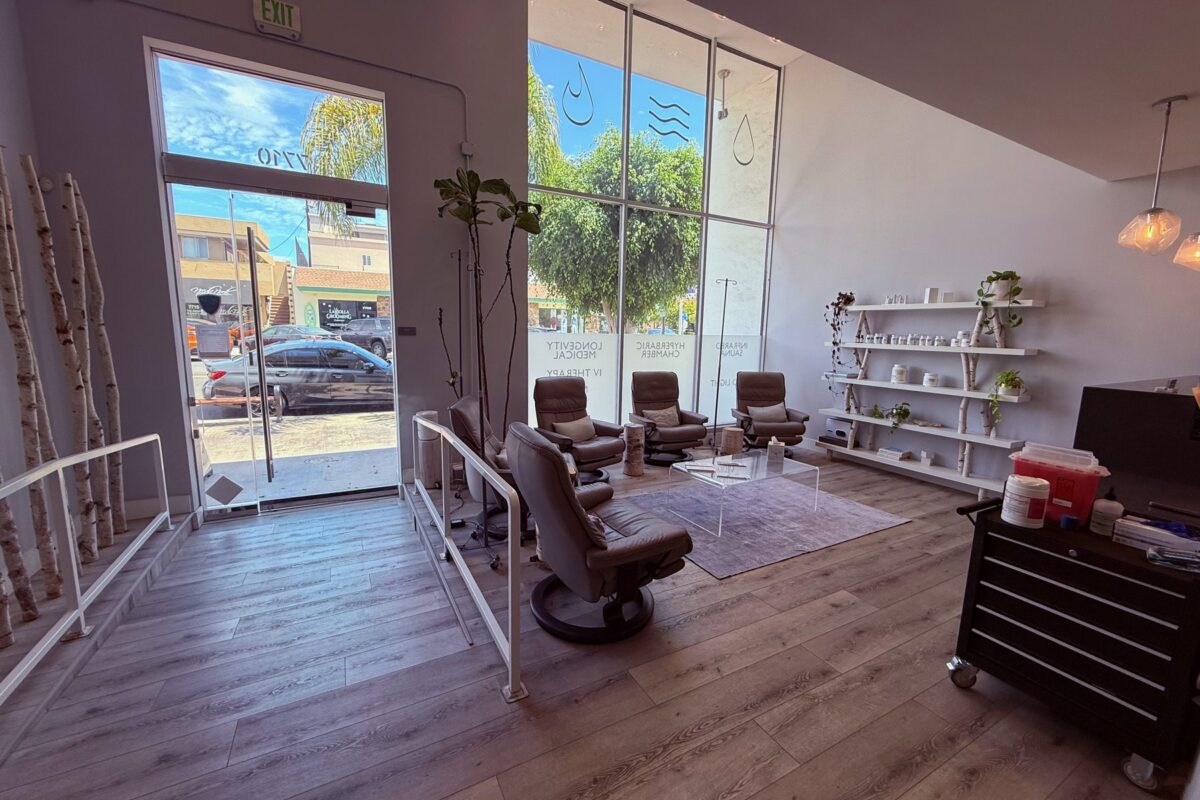
SDBody offers red light therapy at its Mission Hills clinic as a wellness and recovery service, and its own page says plainly that it is not presented as a treatment for a diagnosed medical condition. This guide takes the same line: what the light cannot do, where it can be overdone, who should check first, and when it is the wrong tool altogether.
Where the big claims fall down
Most of the disappointment with red light therapy comes from expectations, not from the light. The clinic’s Mission Hills page sorts the evidence into three tiers: established, mixed, and thin. The thin tier holds the claims that sell the most panels, including sleep, mood, systemic energy, and fat loss, and that is the tier to be wary of.
A 2021 review in the Aesthetic Surgery Journal put it bluntly: the therapy’s commercial success has outpaced the evidence behind it, and the studies that exist carry methodological flaws, small patient groups, and industry funding. The same review notes it is still unclear whether the LED panels sold to consumers produce effects comparable to the laser systems used in most of the higher quality studies.
“FDA cleared” gets quoted a lot. Under the FDA’s 510(k) process, clearance means the agency found a device substantially equivalent to one already legally on the market, for a stated use. It’s device-specific and use-specific, and it says nothing about the wellness claim printed on the box.
Fat loss is the clearest example of a thin claim. A 2013 review in Lasers in Surgery and Medicine found the studies of light as a stand-alone procedure for fat layer reduction were still inadequate, with the mechanism unclear. The clinic’s guide to the downside of taking NAD+ shows the same gap between marketing and evidence in another popular wellness service.
The dose problem: more light is not better
Red light is one of the few wellness tools where doing more can quietly do less. Researchers describe a biphasic dose response: low doses stimulate tissue, higher doses stop helping or start inhibiting. That shape is why two people with the same panel, sitting at different distances for different times, can report opposite experiences.
A 2009 review in Dose-Response describes this curve and the long list of settings that decide the dose: wavelength, power density, energy, pulse structure, and timing. A 2018 review in the Journal of Biomedical Optics went further and found there is still no agreement on parameters and protocols, with recommended energy doses ranging more than tenfold between groups, and that failed studies in energy-hungry tissues were more often overdosed than underdosed.
Home panels sit inside that problem. Output power, wavelength accuracy, the distance you are meant to sit, and session length all differ from unit to unit, which is why the clinic asks you to bring the make and model of any device you already own. Its guide to the downsides of cryotherapy makes the same point about cold: the dose, not the idea, decides the result.
Side effects people actually report
On harm, the record is reassuring. A 2024 continuing education review in the Journal of the American Academy of Dermatology calls photobiomodulation generally well tolerated and safe, with temporary skin redness the most common side effect, and a 2025 expert consensus in the same journal called it safe for adult patients and found red light does not induce DNA damage.
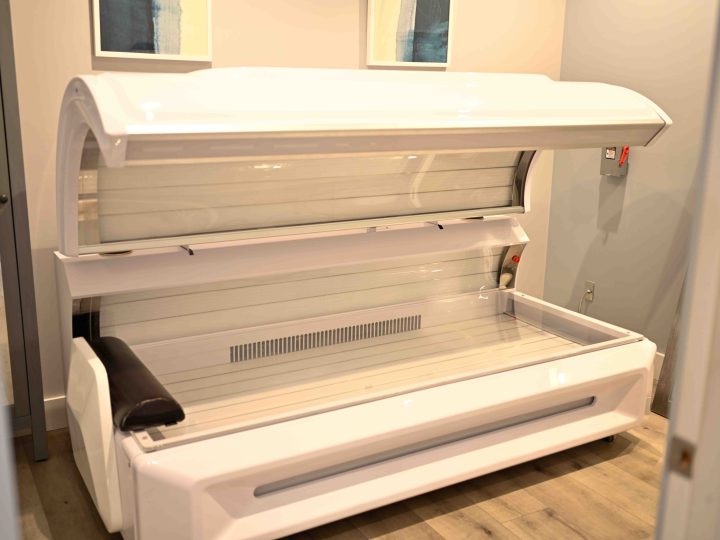
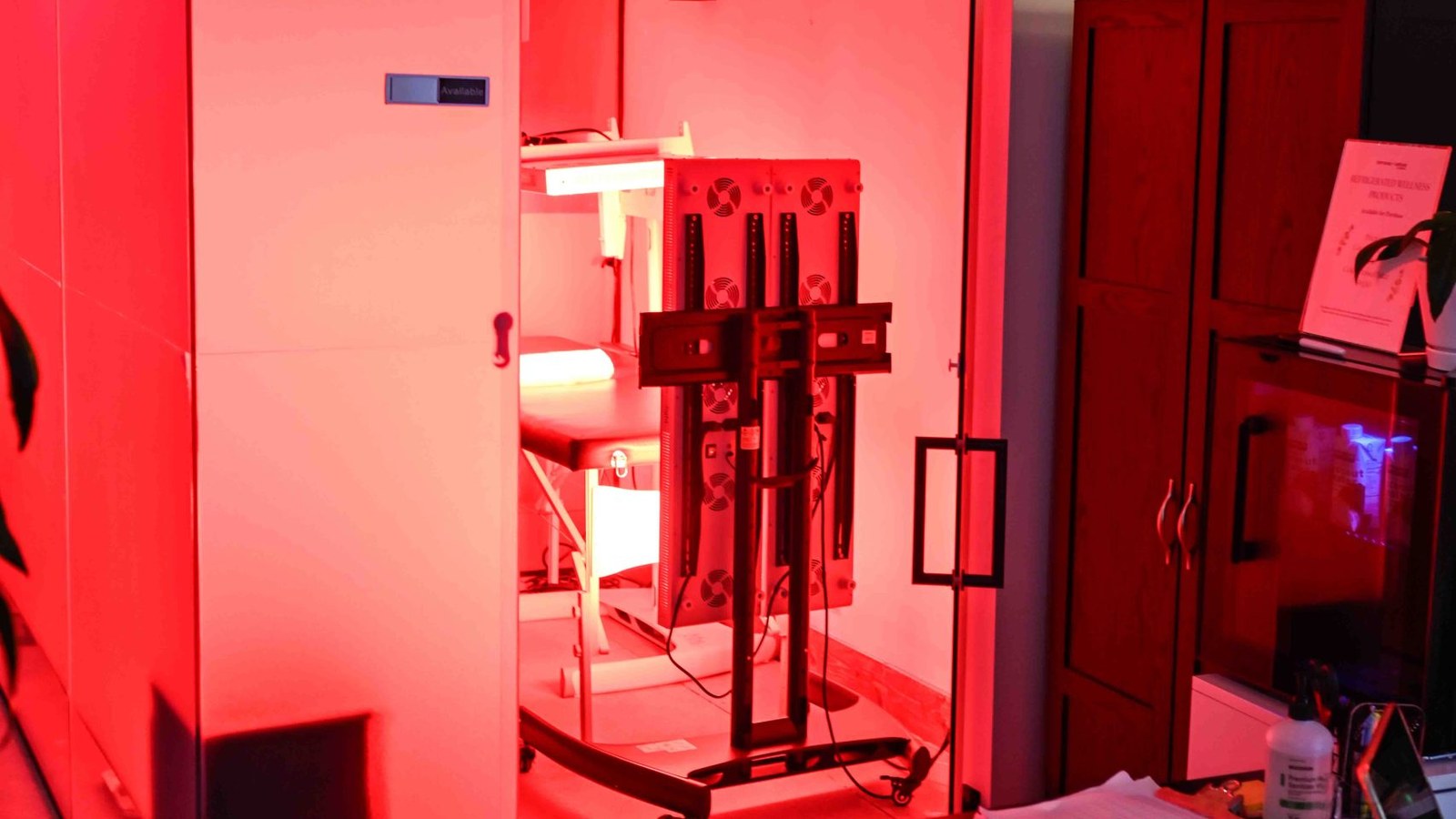
A session at the clinic is short and passive: eye protection on, sit or lie in front of the panel or in the bed, mild warmth at most, nothing required of you afterward. A 2013 review in Seminars in Cutaneous Medicine and Surgery described an almost complete absence of side effects in dermatology, which is a large part of why the therapy spread so fast.
The real downsides sit elsewhere: time and money spent on a goal the evidence does not support, a home device used at the wrong dose, and a medical issue that should have been raised first. The clinic’s guide to when PEMF is not the right choice walks through the same screening logic for another passive therapy.
Red light therapy questions the Mission Hills team hears
The six questions below are the ones that come up before a first session at the Mission Hills clinic: the negatives in one list, the eye question, overdoing it, fat loss, home panels, and who should check first. Each answer is short, and the clinical team settles the details at intake.
What are the negatives of red light therapy in Mission Hills?
Weak evidence for the biggest claims, a dose that is easy to get wrong at home, the cost and time of chasing a result the research does not support, and a short list of medical situations that need screening first. Recorded side effects are mild, mostly temporary skin redness.
Is red light therapy safe for the eyes?
Only with protection. Red light aimed directly into the eye is a different matter: a 2024 study of two red light instruments sold for children’s myopia found three minutes of continuous viewing approached or exceeded the retinal exposure limit. The clinic provides eye protection and treats it as mandatory.
Can you overdo red light therapy?
Yes. Studies describe a biphasic dose response, where low doses help and higher doses stop helping or inhibit. Longer and closer is not better. The clinic sets session length and distance, and asks about any home device so the two do not stack.
Does red light therapy help with fat loss?
The evidence is thin. A 2013 review found the studies of light as a stand-alone method for fat layer reduction inadequate, and the clinic’s own page places fat loss in its weakest evidence tier. That’s a question to raise with a clinician, not a reason to buy a panel.
Is a clinic session better than a home panel?
It depends on the device and how it is used. Many consumer panels are weaker than clinic equipment, and consistency decides most of the result. Bring the make and model to your first visit, and the team will tell you whether a clinic session adds anything.
Who should not have red light therapy without checking first?
Anyone taking a medicine that increases light sensitivity, anyone with a photosensitivity condition such as lupus or porphyria, anyone who is pregnant, and anyone with an active skin cancer, an undiagnosed lesion in the treatment area, or a recent skin procedure. The clinical team reviews your history and medication list at intake.
Eyes, medicines and skin conditions: who should check first
Red light is well tolerated by almost everyone, which is exactly why the precautions get skipped. Three deserve a sentence each before a first session: the eyes, the medicine cabinet, and the skin. None of them is a reason to avoid the therapy. Each is a reason to have a two-minute conversation first.
The eye is the one tissue with a documented hazard when red light is pointed straight at it. In a 2024 study in Ophthalmic and Physiological Optics, two red light instruments sold for children’s myopia approached or passed the retinal exposure limit after three minutes of continuous viewing. Those devices aim light into the eye, which a panel session doesn’t, and that distinction is why the clinic’s eye protection isn’t optional.
Medicines are the precaution most often missed. The FDA’s list of medicines that can cause sensitivity to the sun includes common antibiotics such as doxycycline, thiazide diuretics, and the acne medicine isotretinoin, which is why the clinic asks for your full medication list at intake. Photosensitivity conditions such as lupus or porphyria, pregnancy, an active skin cancer, an undiagnosed lesion in the treatment area, and any recent skin procedure belong in the same conversation, the one described in what happens at your first visit.
When light is the wrong tool
The biggest negative of red light therapy isn’t a side effect. It’s using a panel to chase a problem that light was never going to solve. Low energy, poor sleep, and a changing body are bloodwork questions before they are light questions, and the clinic says so on its own page.
A short session can be a pleasant part of a routine, and the clinic’s patients tell it they like how they feel and look after a consistent run of sessions. That’s worth having, and the clinic won’t describe it as a medical outcome. If fatigue, mood, or a changing body brought you to the panel, the clinic’s guide to the five signs of hormonal imbalance explains what its clinicians look for, and three lab panels are drawn on site at diagnostic labs in Mission Hills.
Booking a first session in Mission Hills
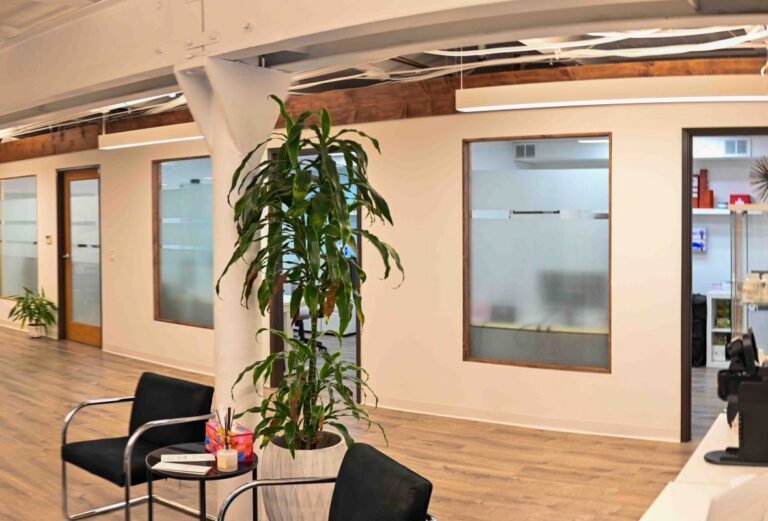 The clinic opens at 8am on Hancock Street, which makes a short session before a downtown workday realistic, and nothing is required of you afterward. Bring your medication list and the make and model of any home device. The clinical team goes through both at intake, then sets your session length and starting frequency.
Full details are on the page for red light therapy in Mission Hills, and the main red light therapy service page covers both locations. Call the Mission Hills clinic at (619) 772-0252, or book a consult online.
Care is provided under physician supervision. Information on this page is general and is not medical advice. Individual results vary.