

The five signs of hormonal imbalance that SDBody’s La Jolla clinicians hear about most are persistent fatigue, sleep that falls apart, mood changes that feel out of character, a drop in sex drive or sexual function, and body changes that do not match your habits. None of them proves a hormone problem, because sleep, stress, nutrition, thyroid function, medications, and other conditions can produce the same picture.
That is what makes these signs easy to dismiss, and easy to blame on hormones when the cause is something else. This guide covers each sign, the other causes that mimic it, and the point at which a proper evaluation is worth your time. SDBody is a physician-led hormone and wellness clinic in La Jolla that reads labs in the context of how you actually feel.
The five signs of hormonal imbalance clinicians hear about most
 These five come up again and again in consultations at the La Jolla clinic, from men and women alike, and they often overlap, since poor sleep alone can drag down energy, mood, and sex drive. Each is real, and each has a list of other explanations, which is the whole point of what follows.
1. Fatigue that sleep does not fix
Lack of energy is one of the most common complaints people link to hormone changes, and it can have many other causes. It is also the vaguest sign there is. SDBody’s own fatigue page puts it plainly: fatigue is a symptom, not a diagnosis.
2. Sleep that falls apart
Trouble falling asleep, waking at 3am, night sweats, and hot flashes that break sleep are classic features of the menopause transition, listed on both MedlinePlus and SDBody’s women’s health page. Men are not exempt: insomnia and sleep apnea both sit on the list of common low testosterone symptoms on SDBody’s men’s health page, and poor sleep then drags down every other sign on this page.
3. Mood changes that feel out of character
Irritability, anxiety, low mood, and swings between them show up with estrogen and progesterone changes, with low testosterone, and with thyroid problems, according to SDBody’s hormone pages and MedlinePlus. MedlinePlus lists depression as a symptom of an underactive thyroid, which is one reason mood changes deserve a medical look rather than a supplement.
4. A drop in sex drive or sexual function
Low libido, erectile dysfunction, vaginal dryness, and discomfort during sex can be linked to hormone changes, among other causes. They are also among the least discussed, which means they often go unevaluated for years.
5. Body changes that do not match your habits
Weight gain without a change in eating or training, muscle that is harder to keep, dry skin, thinning hair, and feeling cold when others are comfortable all appear on SDBody’s hormone symptom lists and on MedlinePlus’s list for an underactive thyroid. A gradual shift in body composition is a common reason people book a first evaluation.
When to seek care sooner
Hormone changes are usually gradual. Anything sudden or severe belongs with urgent care or the emergency room: chest pain, severe shortness of breath, fainting, signs of a stroke, or a swollen, painful leg. Low mood that comes with thoughts of harming yourself is an emergency too; in the U.S., call or text 988 to reach the Suicide and Crisis Lifeline.
Nothing on this page should talk you out of seeing your own doctor. A hormone evaluation can sit alongside that care, and SDBody’s clinicians will say so when another doctor is the right next step.
Questions people ask about the signs of hormonal imbalance
Is fatigue a sign of hormonal imbalance?
It might be, or it might be something else. Hormone or thyroid changes, sleep quality, nutrition, medications, and other health conditions can all contribute, which is why a clinician looks at the whole picture before pointing to one cause.
Can you have symptoms of hormonal imbalance with normal labs?
Yes, people do, and the symptoms still deserve a proper look. A lab value is one part of the picture, so SDBody clinicians read results alongside symptoms and history rather than against a reference range alone, a point explained in normal labs when you still feel off.
How is a hormonal imbalance diagnosed?
Through a clinician’s evaluation of your symptoms and history, an exam where needed, and blood tests chosen for the question, such as thyroid tests or hormone levels. No single symptom makes the diagnosis.
At what age do hormone levels start to change?
Hormone levels can change with age. Testosterone often declines gradually in men, and for women the menopause transition often begins in the 40s. Menopause itself most often arrives between 45 and 55, according to MedlinePlus.
Is hormone therapy the answer to these signs?
Not automatically. Whether any treatment is appropriate is a clinical decision made after reviewing symptoms, history, and labs, and sometimes the answer points somewhere else entirely.
Why these signs do not prove a hormone problem
Every sign above has a double. Poor sleep habits and untreated sleep apnea can also cause fatigue, mood changes, and low libido. Iron and other nutritional gaps cause tiredness. Stress and depression can produce nearly the whole list. Many medications affect energy, mood, weight, and sexual function. And thyroid function, which is itself hormonal, is tested separately from sex hormones.
That is why a clinician separates the possible contributors instead of reaching for a single fix, and why tired, foggy, or not feeling like yourself is treated as a question to investigate rather than a product to sell. The same logic applies to what peptide therapy does: the clinic’s own guide starts with bloodwork, not a product list.
Some of this is simply age. Testosterone can decline gradually with age, and estrogen and progesterone change through perimenopause and menopause. A clinician can explain what your own results mean. Why hormone levels change with age covers what that looks like, and why changes in how you feel should not be dismissed because of your age either.
Getting evaluated at SDBody La Jolla without being sold anything
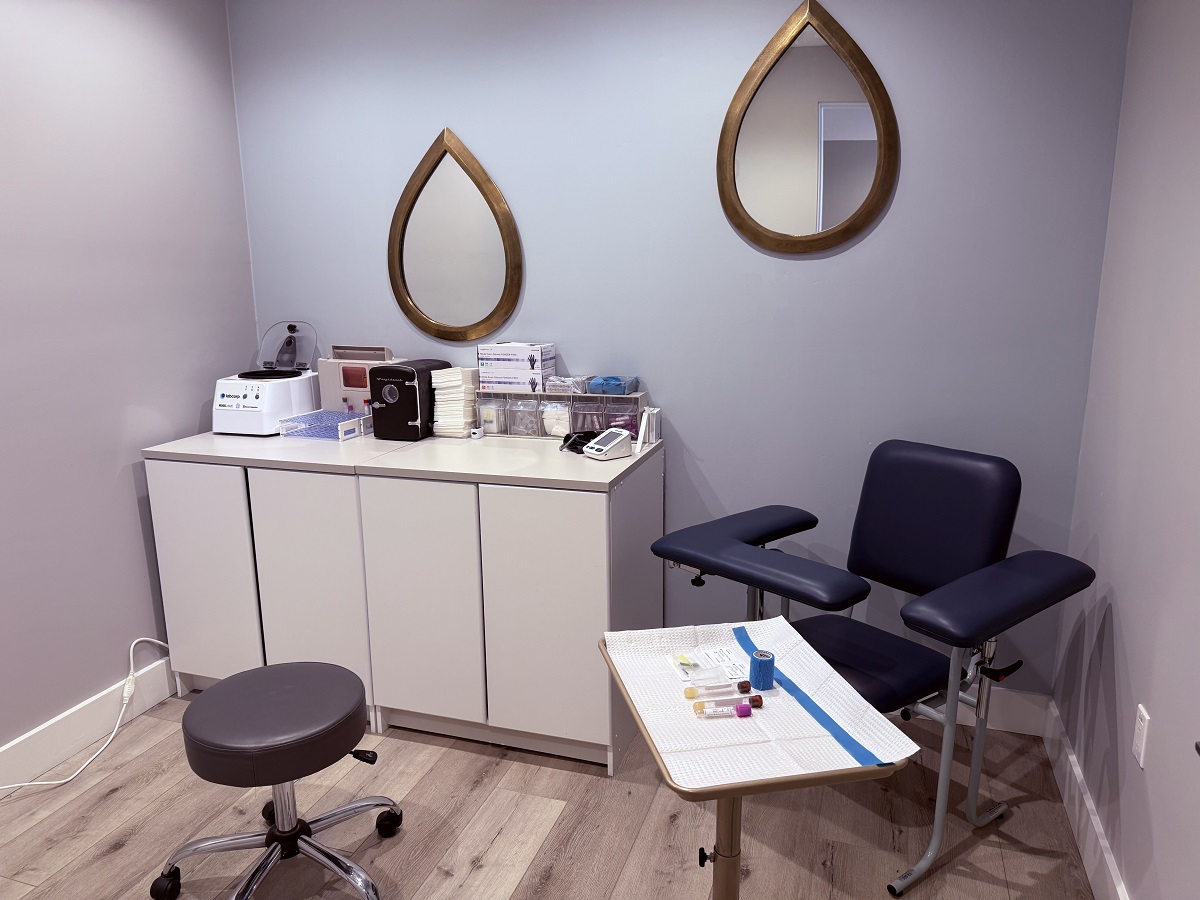
The order is the method. You describe what feels off, in your own words, before a single test is ordered. If testing is appropriate, the clinician selects the panel and the draw happens on site. The consultation is where results meet your history: a clinician explains what the numbers suggest, what they rule out, and where the uncertainty is.
The full sequence, from intake to plan, is laid out in what happens at your first visit. Labs are read in context, not against a reference range alone, and a value inside the range does not automatically mean nothing is wrong, just as a value slightly outside it does not automatically mean treatment. Panel options are described on the page for diagnostic labs in La Jolla, and the full approach to hormone replacement therapy is on the clinic’s hormone page.
If care is appropriate, you get the plan, the alternatives, the risks, and the monitoring explained before anything begins, in the same plain language the clinic uses for the side effects of peptide therapy. If several of these signs sound familiar and have lasted more than a few weeks, call the La Jolla clinic at (858) 401-2383, or book a consult online.
Care is provided under physician supervision. Information on this page is general and is not medical advice. Individual results vary.