
The main negatives of whole body cryotherapy in Mission Hills are cold burns or frostbite, a brief blood pressure rise, and headache or dizziness. In a 2016 consumer update, the FDA said it had not cleared or approved any whole body cryotherapy device to treat a specific medical condition, and a Cochrane review rated the recovery research very low quality. Is cryotherapy safe? People with heart, blood pressure or cold-sensitivity conditions should ask a clinician first.
Last Updated: October 20, 2026
Table of Contents
Care is provided under physician supervision. Information on this page is general and is not medical advice. Individual results vary.
A few minutes in extremely cold, dry air is what whole body cryotherapy asks of you, and its downsides are real, though screening can reduce many of them. They come down to cold injury, a brief strain on blood pressure, and research far thinner than the marketing.
It is not the cryotherapy a dermatologist uses on a wart, which the American Academy of Dermatology calls an accepted medical procedure. Whether a session is safe for you depends mostly on your health history.
At SDBody, we offer cryotherapy at our Mission Hills clinic, and we do not offer it as a treatment for any medical condition. This guide covers what can go wrong, why, and what lowers the risk, so you can judge whether it is worth it.
What Does Whole Body Cryotherapy Put Your Body Through?
A session exposes most of your body to extremely cold, dry air for about two to four minutes, according to a 2016 FDA update and a Cochrane review. Nearly every downside traces back to that sudden cold and what it asks of your skin and blood pressure.
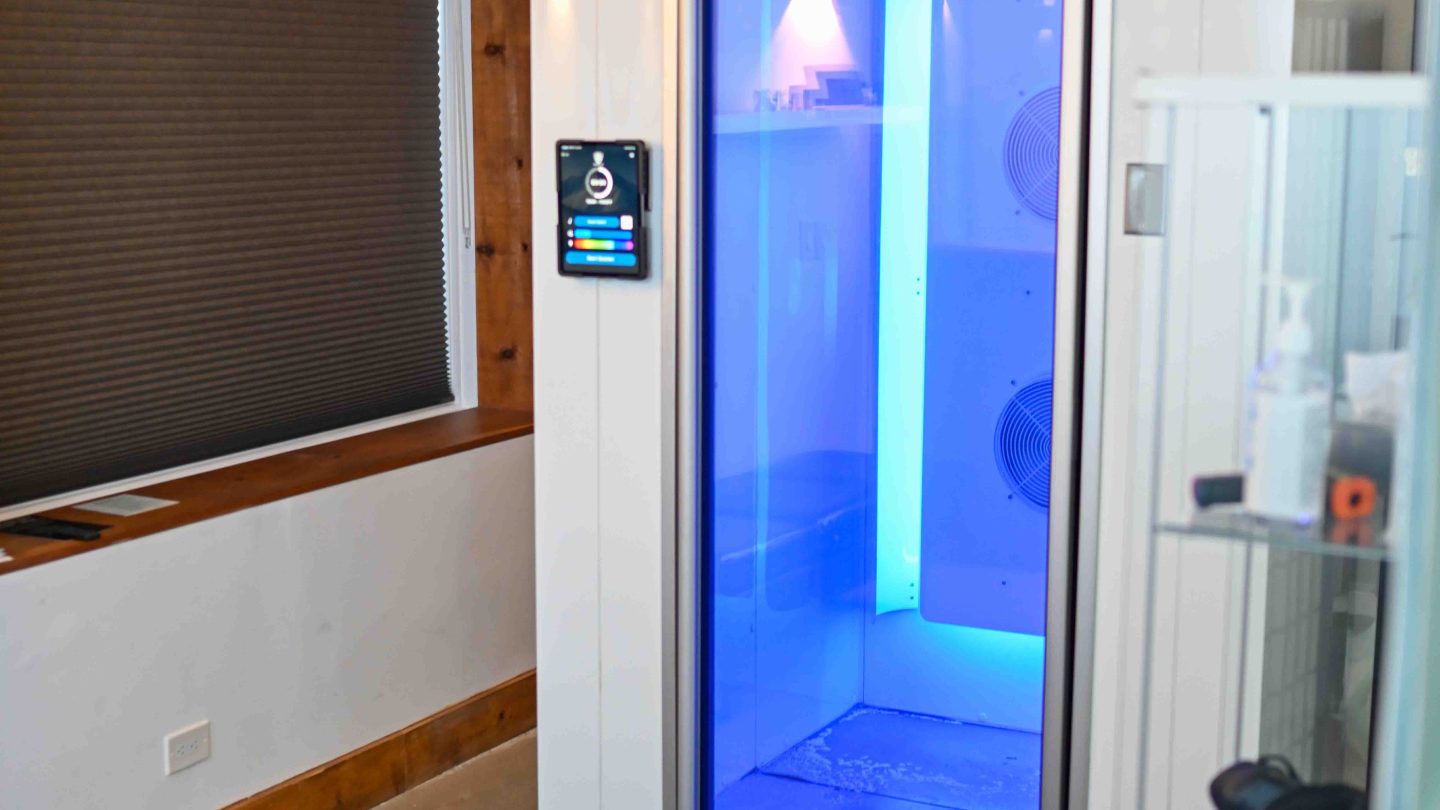
Research puts chamber air below minus 100°C, about minus 148°F. Our Mission Hills cryotherapy page explains that staff set your exposure, confirming temperature and duration at booking.
Designs differ. Walk-in chambers cool the space you stand in, while cabins called cryosaunas keep your head out and use liquid nitrogen mist. A 2023 scoping review warned nitrogen cabins carry inherently high risks of cold burns and low oxygen.
Ask any clinic which type it uses. For cold water, see how long to stay in a cold plunge.
Physical Downsides People Report After Cryotherapy
The reported downsides include cold injury to the skin, a short rise in blood pressure, and passing symptoms such as headache, dizziness or long shivering. Serious events appear rare in the published record, and much of the risk can be lowered before a session.
Cold Burns and Frostbite Start With Damp Skin
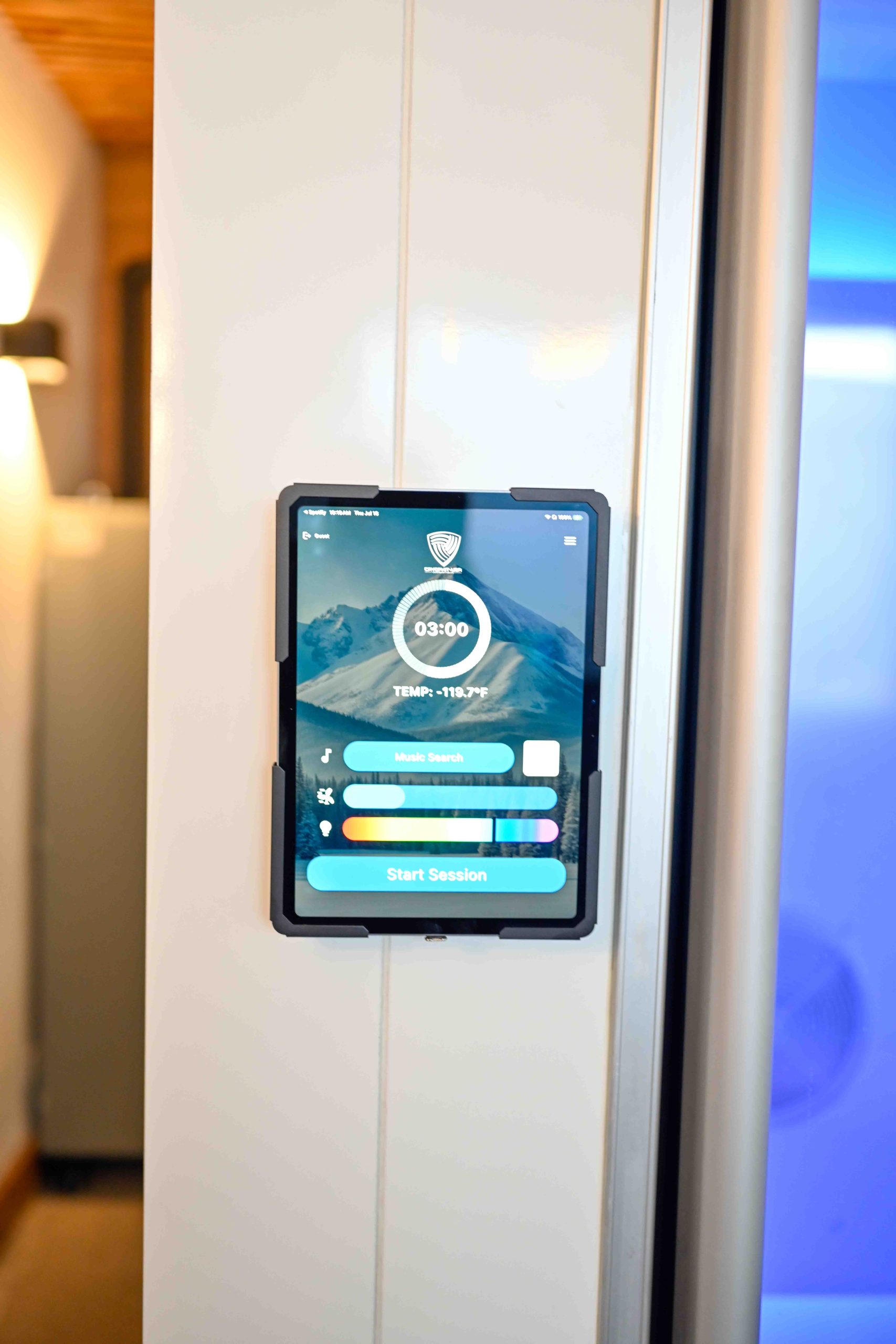
In 2016, the FDA listed frostbite, burns and eye injury among the hazards of these temperatures, and the American Academy of Dermatology names frostbite as the most common skin injury.
Moisture is an avoidable risk factor. A 2017 review in Frontiers in Physiology says any sweat must be removed before entry to avoid skin burns, and we ask for completely dry skin, with jewelry and metal off.
The same review says only trained staff should run the chamber. In our sessions, staff stay beside you throughout, and you wear protective gloves, socks and footwear.
A Short Rise in Blood Pressure During the Cold
Extreme cold can push systolic blood pressure up for a short time. One review calls the rise slight, but it is why people with heart and circulation conditions are asked to take precautions.
The FDA was blunter in 2016: its scientific reviewer said the effects of these temperatures on blood pressure, heart rate and metabolism were simply not known. A research consensus lists high blood pressure among reasons not to use whole body cryotherapy.
Our article on when PEMF therapy is not the right choice applies the same screening logic.
Headache, Dizziness and Long Shivering
A 2023 scoping review gathered 7 published reports describing 16 adverse events. The minor ones included cold-induced headache, discomfort or dizziness, a short spike in blood pressure and shivering lasting longer than expected.
The same review noted rare case reports of serious problems in blood vessels, mostly in people with existing risk factors. Those cases are uncommon, but they show why screening comes first.
If you feel dizzy or unwell during a session, say so straight away. If you have chest pain, trouble breathing, a sudden severe headache, confusion or weakness on one side during or after a session, call 911.
Where the Evidence for Cryotherapy Falls Short
The evidence gap is the downside people hear least about. In a 2016 consumer update, the FDA said it had not cleared or approved any whole body cryotherapy device to treat a specific medical condition, and a Cochrane review of its recovery benefits rated the research very low quality.
No FDA-Cleared Device for Any Medical Condition
In a 2016 consumer update, the FDA said it found very little evidence about the safety or effectiveness of whole body cryotherapy for the conditions it is promoted for, including fibromyalgia, migraines, rheumatoid arthritis, anxiety and chronic pain.
It also flagged people choosing cold sessions over proven treatment, which may leave a condition unimproved or worse. It advised talking to your physician first.
That matches our position: cryotherapy is a recovery session, not treatment. Our look at what hyperbaric oxygen therapy can and cannot do draws the same line.
A Cochrane Review Rated the Evidence Very Low
A Cochrane review on muscle soreness found just four small laboratory trials covering 64 physically active people, all but four of them men, average age 23. The authors rated the evidence for every outcome as very low quality.
They concluded there is not enough evidence to say whether whole body cryotherapy reduces muscle soreness or improves recovery compared with rest in active young men. They found no evidence on women or elite athletes.
None of this proves cryotherapy does nothing; any benefits are simply poorly measured.
Side Effects Are Probably Under-Reported
None of the trials in the Cochrane review actively watched for side effects, and its authors called that an important gap, given the hazard of extreme cold.
The 2023 scoping review found adverse events appear rare compared with how widely whole body cryotherapy is used, but are probably under-counted because there are no uniform reporting standards.
Our guide to whether IV therapy is worth it applies the same caution.
Who Should Talk to a Clinician Before Cryotherapy in San Diego
Anyone with a heart condition, high blood pressure, poor circulation, cold sensitivity, nerve damage, open skin wounds or claustrophobia should speak with a clinician before booking. Research reviews list these among the accepted reasons to avoid whole body cryotherapy, and a 2016 FDA update advised talking to your physician first.
At our Mission Hills clinic, we also ask you to talk to us first after a stroke, with a seizure disorder or arrhythmia, or if you are pregnant. Our cryotherapy service page covers the session itself, and the table sums up each downside.
| Downside | What Raises the Risk | What Lowers It |
|---|---|---|
| Cold burns and frostbite | Damp or sweaty skin, missing gloves or socks | Completely dry skin, protective gear, staff watching the session |
| Blood pressure rise | Uncontrolled high blood pressure, heart disease | A cardiovascular history reviewed before the first session |
| Low oxygen | Nitrogen-cooled cabins, no one supervising | Trained staff present, freedom to leave at any time |
| A condition left untreated | Using cold sessions in place of proven care | Seeing a clinician about the condition first |
Frequently Asked Questions
Who should not do cryotherapy?
People with uncontrolled high blood pressure, heart disease, arrhythmia, Raynaud’s, cold intolerance, nerve damage, open skin wounds or claustrophobia should not use whole body cryotherapy without a clinician’s review. Pregnancy and a history of stroke or seizures are also reasons to talk to a clinician before booking.
What happens to your body after cryotherapy?
Warmth usually returns quickly once you step out of the cold, and some people get a short rise in blood pressure during the exposure. Published reports also describe headache, dizziness and long-lasting shivering in a few cases. Tell staff right away if anything feels wrong after a session.
How often is it safe to do cryotherapy?
There is no research-backed safe number of sessions per week, because existing trials are small and did not track side effects closely. Frequency should depend on your health history and response, so we suggest a starting point at your first visit instead of selling a package.
Is cryotherapy nonsense?
Not entirely, but claims run ahead of the evidence. In a 2016 consumer update, the FDA said it had not cleared or approved any whole body cryotherapy device to treat a specific medical condition, and a Cochrane review found too little evidence to say whether it reduces muscle soreness. If you have a medical condition, see a clinician first.
How long should a bout of whole body cryotherapy last?
Most sessions last about two to four minutes, according to a 2016 FDA update and a Cochrane review. Your exact duration should be set by trained staff based on your experience and tolerance, and you should be free to leave at any time if the cold feels like too much.
What should you not do after cryotherapy?
Do not brush off dizziness, discomfort or any change in your skin after a session, because frostbite is the most common skin injury linked to whole body cryotherapy. Tell the clinic about any reaction so a clinician can check it, and read what happens at your first visit if you are new to us.
Weighing the Cold Against Your Health in Mission Hills
The downsides of cryotherapy are real, and most of them shrink when someone checks your history first and stays with you in the cold. At SDBody, we review your history at intake, staff supervise every session, and you can stop the session at any moment.
Find us at 1747 Hancock St Ste C in Mission Hills, Monday through Thursday from 8am until 4pm and Fridays from 8am until 3pm. Call us today to ask whether cryotherapy suits your health history, or book a consultation online and our team will follow up.