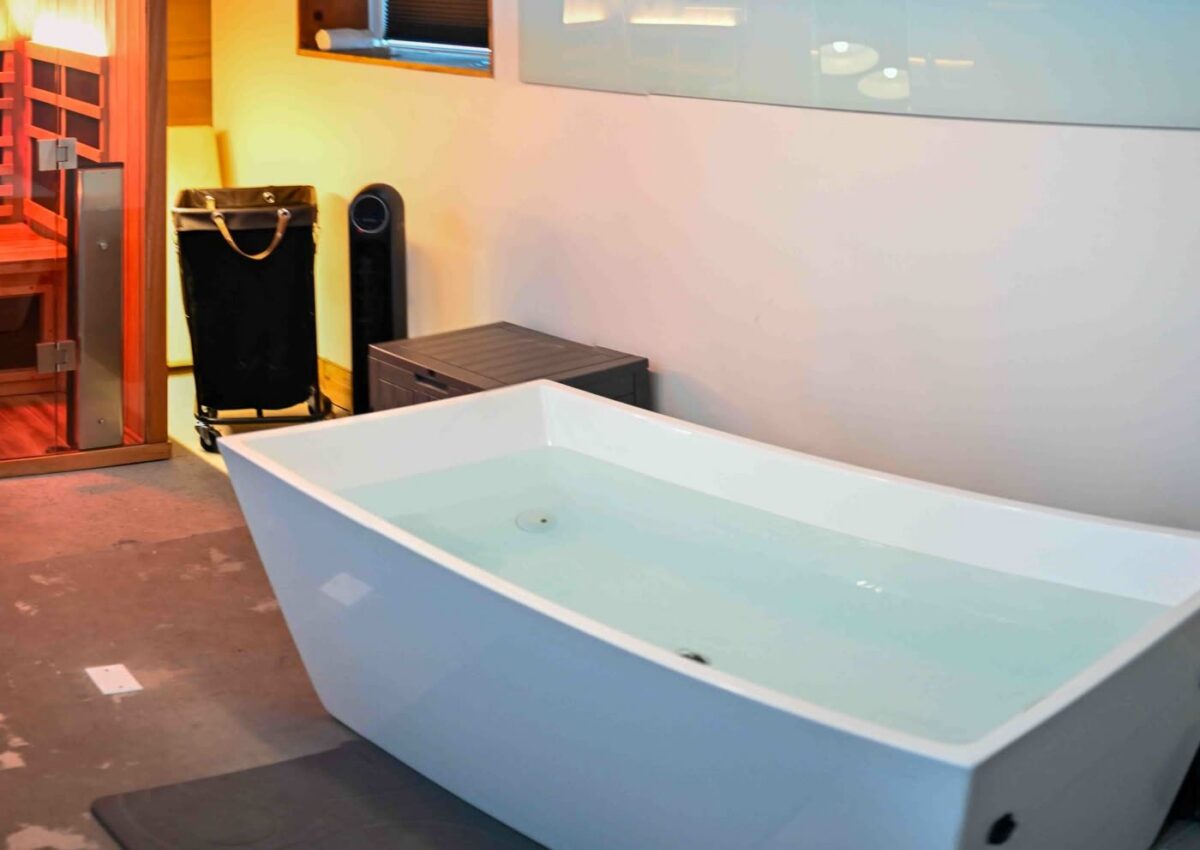
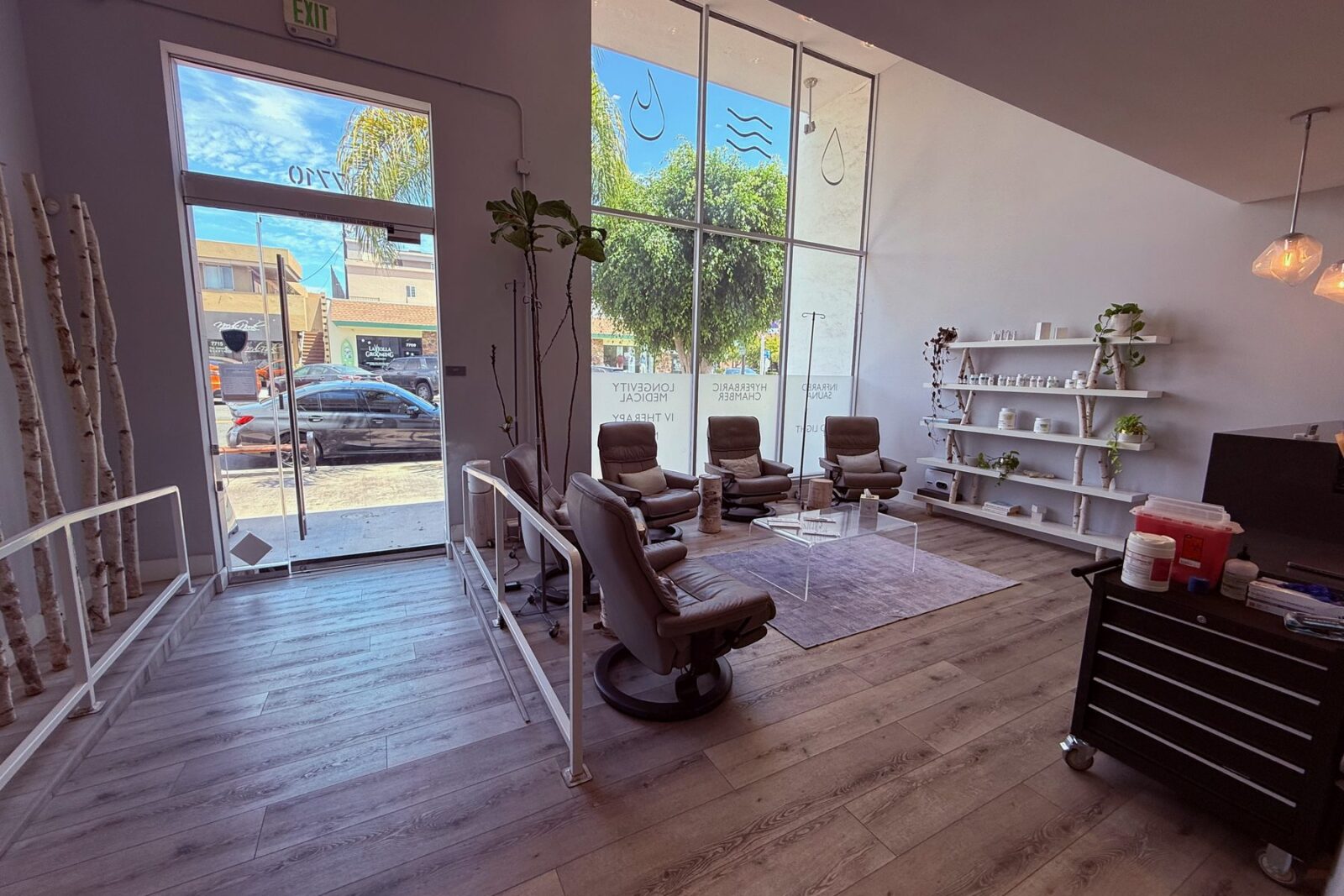
Heat first, then cold, with a few minutes of rest between rounds. That is how SDBody’s La Jolla clinic runs a contrast therapy session, and the honest footnote is that the research has not settled an order for general recovery, which is why the clinic’s own page tells people to finish on whichever end leaves them feeling better.
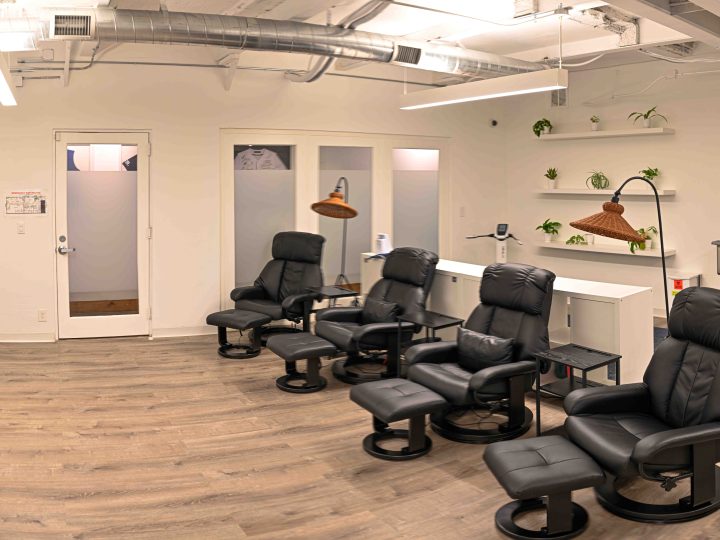
The order matters less than three things studios often skip: screening, rest between rounds, and the first thirty seconds in the water. SDBody is a physician-led practice on Fay Ave in La Jolla Village with the sauna and the plunge inside it, and this guide follows the way its team sets up a first session.
What contrast therapy is, in plain terms
An infrared sauna warms the body directly with infrared light instead of heating the air, so the room runs cooler than a traditional Finnish sauna while still producing a strong sweat. A cold plunge is a short, deliberate immersion in cold water. Alternating the two, heat then cold, usually repeated with rest in between, is contrast therapy.
Most people come out feeling alert, loose, and calmer, which the clinic’s La Jolla page says plainly without turning it into a medical claim. What a session does beyond that is where the research gets thin, the same line the clinic takes on hyperbaric oxygen in its guide to what hyperbaric oxygen therapy can and cannot do.
Why heat usually goes first
Heat is the gentler start. In the sauna the body warms gradually, skin vessels open, and heart rate rises, as a 2018 review in Mayo Clinic Proceedings describes. Cold does the opposite in seconds: a reflex gasp, fast breathing, and a jump in heart rate and blood pressure, the cold shock response described in a 2017 Experimental Physiology review.
That swing is what the rest period exists to soften. The clinic’s team builds a few minutes of rest between rounds, so nobody goes straight from hot to cold, and coaches slow breathing through the first thirty seconds of the plunge. Its own page says there is no single correct order for general recovery, so the end you finish on is yours to choose.
What the research covers, and what it skips
The research on alternating heat and cold mostly used hot and cold water, not a sauna. A 2013 review and meta-analysis in PLOS ONE pooled 13 trials of contrast water therapy and found less soreness and less strength loss after hard exercise than with passive rest, with the caveat that every trial carried a high risk of bias.
The same review found little difference between contrast water therapy and other recovery methods, including cold water alone, and noted that the effects may matter most for elite athletes. Sauna research is a separate body of work: the 2018 review in Mayo Clinic Proceedings summarized mostly observational studies of traditional Finnish sauna bathing, which show an association, not proof of cause, and almost none of it looked at infrared saunas.
Cold water on its own has better-studied evidence for soreness after exercise, and one study found a catch around strength training, both explained in the clinic’s guide to how long to stay in a cold plunge. For contrast therapy specifically, the clinic’s own page uses the right words: popular, pleasant, and understudied.
A first contrast session in La Jolla, round by round
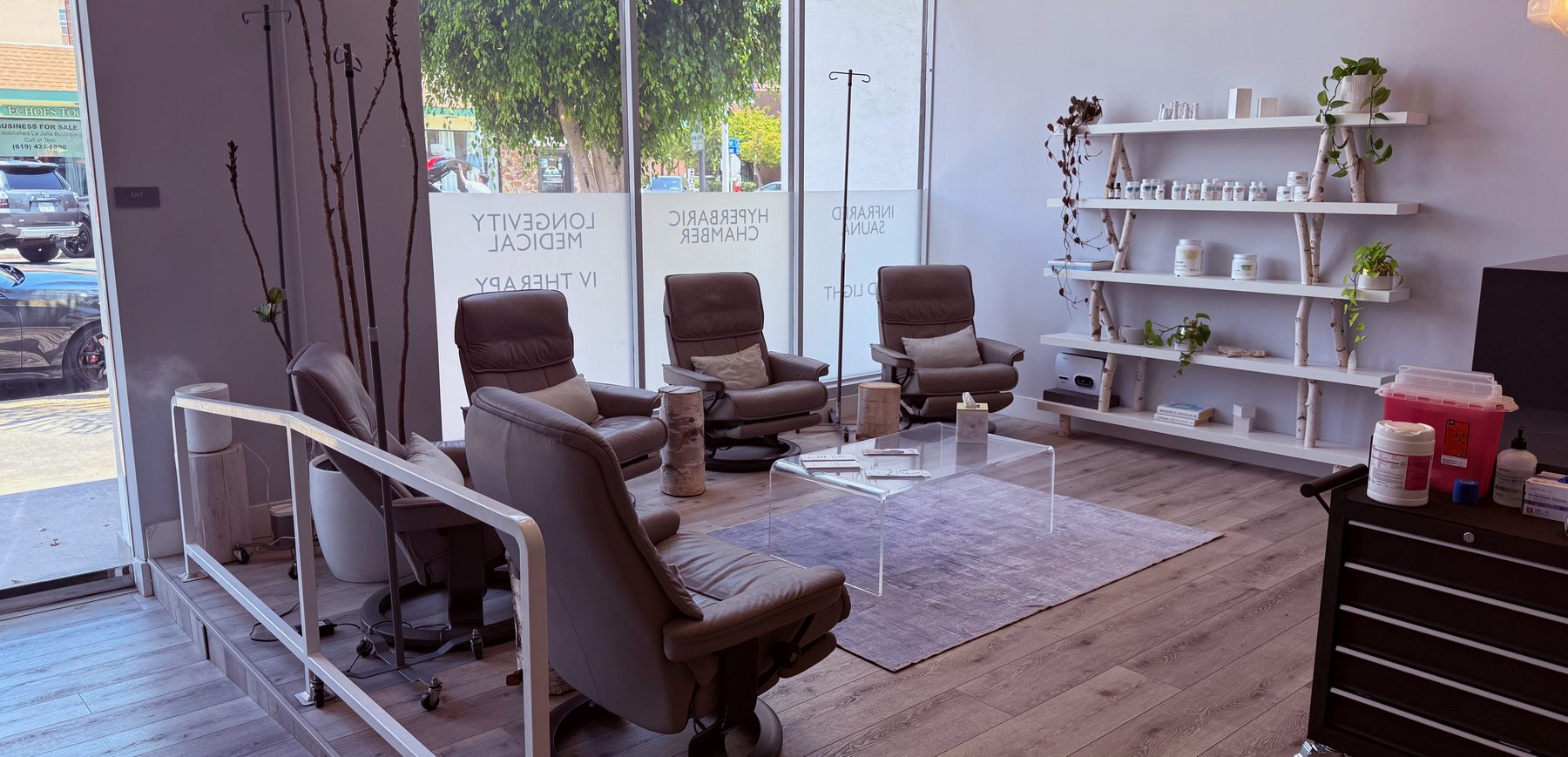 The clinical team reviews your history at intake and sets a starting protocol at your first visit, adjusting it as you build tolerance, so the steps below are the shape of a visit, not a protocol to copy at home. Bring swimwear and a towel, come hydrated, and give yourself a few extra minutes for the conversation.
- Heat round in the infrared sauna, at a length the team sets for you.
- Rest for a few minutes. Let your breathing and heart rate settle before the water.
- Cold round. Breathe slowly through the first thirty seconds, and get out at the first sign of shivering you cannot control, numbness, or confusion.
- Rest again, then repeat the cycle if it is in your plan, and tell the team how the first round felt before the next one.
Never plunge alone, here or anywhere else. If you have never been to the clinic, what happens at your first visit explains intake and the consultation. The full La Jolla setup is on the page for infrared sauna and cold plunge in La Jolla, the main infrared sauna and cold plunge service page covers both locations, and the La Jolla clinic runs wellness services on Saturday and Sunday.
Who should check with a clinician first
Heat and cold both put a real load on the cardiovascular system. Talk to the clinic before a first session if you have heart disease, uncontrolled blood pressure, arrhythmia, a history of fainting, a seizure disorder, Raynaud’s, cold urticaria, or a pregnancy, or take medications affecting heart rate, blood pressure, or fluid balance. Skip alcohol beforehand.
Screening first is how the clinic treats every recovery service it runs, and the same thinking shows up in its guide to when PEMF therapy is not the right choice, which is mostly a list of reasons to say no. It is also where a first contrast session can become a no, and the La Jolla page promises you will hear that before you book, not after.
Contrast therapy questions the La Jolla team hears
These five questions come up often before a first session at the La Jolla clinic: the order, how long each round lasts, what the research shows, what to bring, and who should check first. The short answers below follow the clinic’s own La Jolla page, and the team sets your own protocol at your first visit.
Should you do the sauna or the cold plunge first?
Heat first, then cold, with rest between rounds, is the usual order at SDBody La Jolla. The research has not settled an order for general recovery, so the team suggests finishing on whichever end leaves you feeling better.
How long should each round last?
It depends on your experience, your health history, and what you are training for. The team sets a starting protocol at your first visit and adjusts it as you build tolerance.
Is contrast therapy backed by research?
Partly. A 2013 meta-analysis of hot and cold water alternation found less soreness and strength loss after hard exercise than rest, with little difference from other recovery methods, and the trials carried a high risk of bias. Sauna research is mostly observational and mostly on traditional saunas.
What should you bring to a contrast session?
Swimwear and a towel. Come hydrated, avoid alcohol beforehand, and give yourself a few extra minutes for the health history conversation before the first round.
Who should not do contrast therapy without checking first?
Anyone with heart disease, uncontrolled blood pressure, arrhythmia, a history of fainting, a seizure disorder, Raynaud’s, cold urticaria, or a pregnancy, and anyone taking medications that affect heart rate, blood pressure, or fluid balance.
If what brought you in is fatigue, not soreness, bloodwork may tell you more than heat or cold can, and a clinician can explain what it shows. The clinic’s guide to the five signs of hormonal imbalance covers what its clinicians look for. Otherwise the first step is the screening conversation. Call the La Jolla clinic at (858) 401-2383, or book a consult online.
Care is provided under physician supervision. Information on this page is general and is not medical advice. Individual results vary.