
How often should you cold plunge? Two or three sessions a week that you actually keep, with the cold kept away from your heaviest lifting days, is the standing advice at SDBody’s Mission Hills clinic, and it is a better answer than any number pulled from a study. The research on frequency is thinner than the research on a single session, and the sections below explain why that matters.
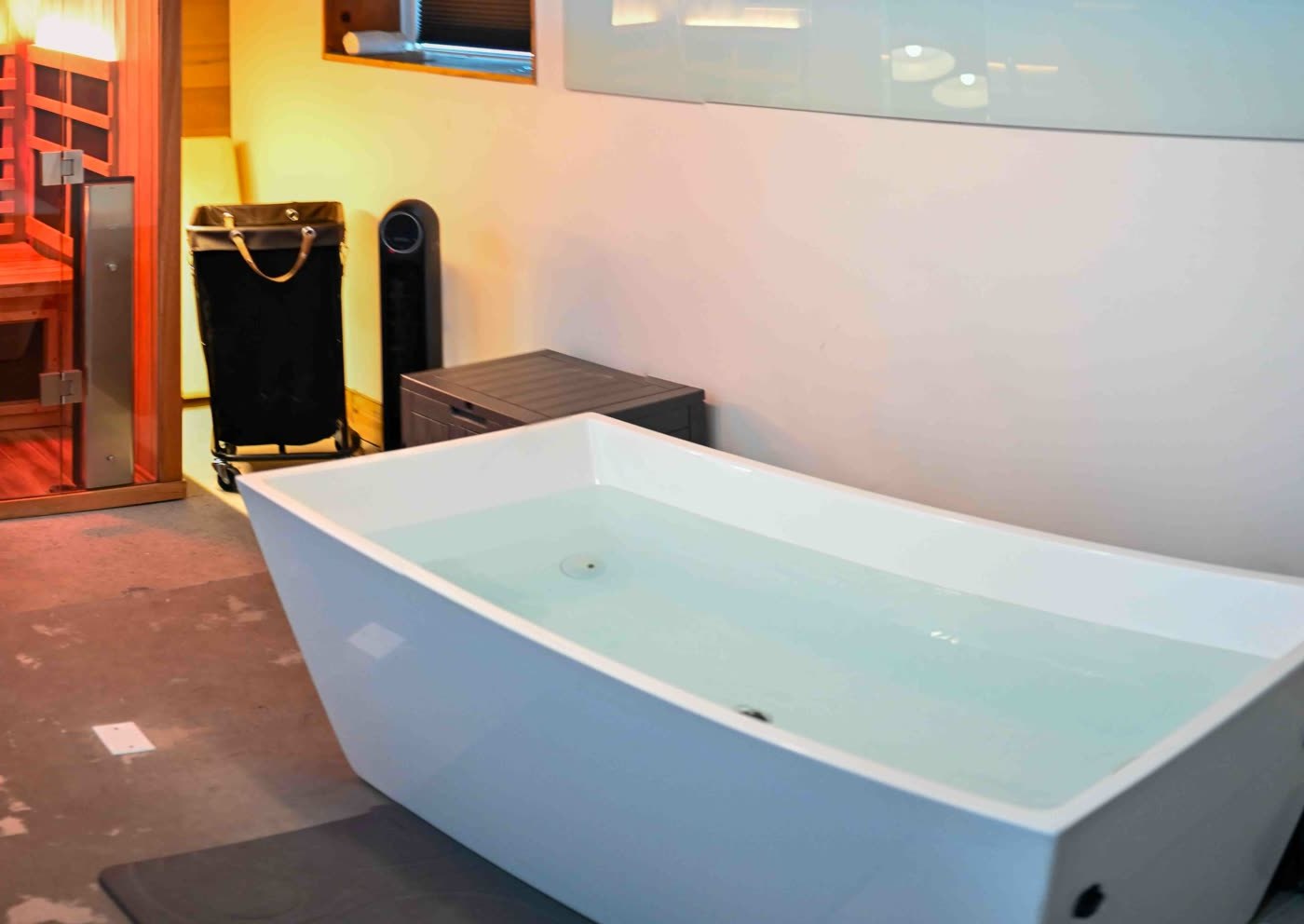
SDBody runs its cold plunge inside a physician-led practice on Hancock Street, and its team sets a starting protocol at the first visit rather than handing out a universal schedule. Here is how that team thinks about the number of sessions, the spacing, and the signs that the number is wrong.
What the research can say about frequency, and what it cannot
Most cold water research measures one session: how long, how cold, and what happened over the next day or two. The two reviews behind most of the cold plunge advice on this site, a 2016 meta-analysis in Sports Medicine and a 2022 review of 52 studies, tested single immersions after hard exercise, not a weekly habit kept for months.
What repetition does change is the cold shock itself. A 2024 systematic review and meta-analysis in the Journal of Thermal Biology found that the fast breathing and racing heart of the first moments fade with repeated immersions, and notes that habituation sets in after roughly four, with variation between studies. That is one argument for regular sessions over occasional ones: the hardest part gets easier.
The largest randomized trial of daily cold exposure used showers rather than plunges. A 2016 Dutch trial randomized 3,018 adults, and those assigned to end their showers cold for 30 days reported fewer days off work sick, with no difference in self-reported days of illness. It says little about plunging and nothing about an ideal number of sessions. Session length and temperature are explained in the clinic’s guide to how long to stay in a cold plunge.
Frequency questions, answered
How many times a week should a beginner cold plunge?
Usually fewer than people expect. The SDBody team starts with a conservative protocol set at the first visit, then builds toward the two or three weekly sessions its own page describes.
Is it safe to cold plunge every day?
That is a question for the clinical team, based on your health history and how you respond. The largest randomized trial of daily cold exposure used showers, and the clinic’s advice is consistency over intensity rather than a daily target.
Should you cold plunge on rest days or training days?
Rest days are the simpler choice if muscle growth is the goal, because a 12-week study found smaller strength and muscle gains when immersion followed every strength session. After a hard conditioning session the evidence is more favorable to cold water.
Does cold plunging get easier the more often you do it?
Usually. A 2024 review notes the cold shock response fades after roughly four immersions, with variation between studies, which is one argument for keeping sessions regular. Getting easier is not the same as needing to stay in longer.
What are the signs you are plunging too often?
Feeling drained for the rest of the day, dreading sessions, trouble warming back up, or sleep getting worse can be signs to cut back, and are worth raising at your visit. Shivering you cannot control, numbness, or confusion end a session on the spot.
Who should not build a cold plunge habit without checking first?
Anyone with heart disease, uncontrolled blood pressure, arrhythmia, a history of fainting, a seizure disorder, Raynaud’s, cold urticaria, or a pregnancy, and anyone taking medications that affect heart rate, blood pressure, or fluid balance.
What decides your number
There is no universal schedule. The clinic’s page sets the number per person rather than publishing one, which is why the team sets a conservative starting protocol at the first visit and builds from there. The number that works is the one you can repeat without dreading it. Five things decide where it lands:
- How you handled the first thirty seconds, and whether the cold shock is fading yet.
- Your training week: lifting days, conditioning days, and rest days.
- Your health history, and any medication that affects heart rate, blood pressure, or fluid balance.
- What you are plunging for: soreness after hard sessions, a habit you enjoy, or something else.
- Whether the number is one you can keep, which the clinic’s page puts above intensity.
The number gets set in the consultation described in what happens at your first visit.
Rest days, training days, and where the plunge fits
If muscle growth is the goal, frequency relative to lifting probably matters more than frequency per week. In a 2015 Journal of Physiology study, men who did a ten-minute cold water immersion after every strength session for 12 weeks gained less strength and muscle than men who did active recovery, and the authors suggested that routine post-exercise immersion be reconsidered.
The practical answer from the clinic’s own page is to leave a gap or plunge on rest days. After a hard conditioning session the research is kinder: the 2022 review found cold water helped soreness, muscular power, and how recovered people felt a day later. Timing questions come up with SDBody’s other recovery tools too, and the La Jolla clinic’s guide to what PEMF actually does separates evidence from marketing the same way.
Signs the number is wrong
Frequency problems tend to show up afterward rather than in the water, and these can be signs to cut back: feeling drained for the rest of the day, dreading the next session, taking longer to warm back up, or sleep getting worse. None of them is a sign of weakness, and all are worth raising at your visit.
Within a session the rules do not change with experience: shivering you cannot control, numbness, confusion, or breathing that will not settle ends it, and never plunge alone. If the tiredness that brought you to cold water is there on the days you skip it too, the question is the tiredness, not the schedule. The clinic’s guide to the five signs of hormonal imbalance explains what its clinicians check, and three panels are drawn on site at diagnostic labs in Mission Hills.
Where to start in Mission Hills
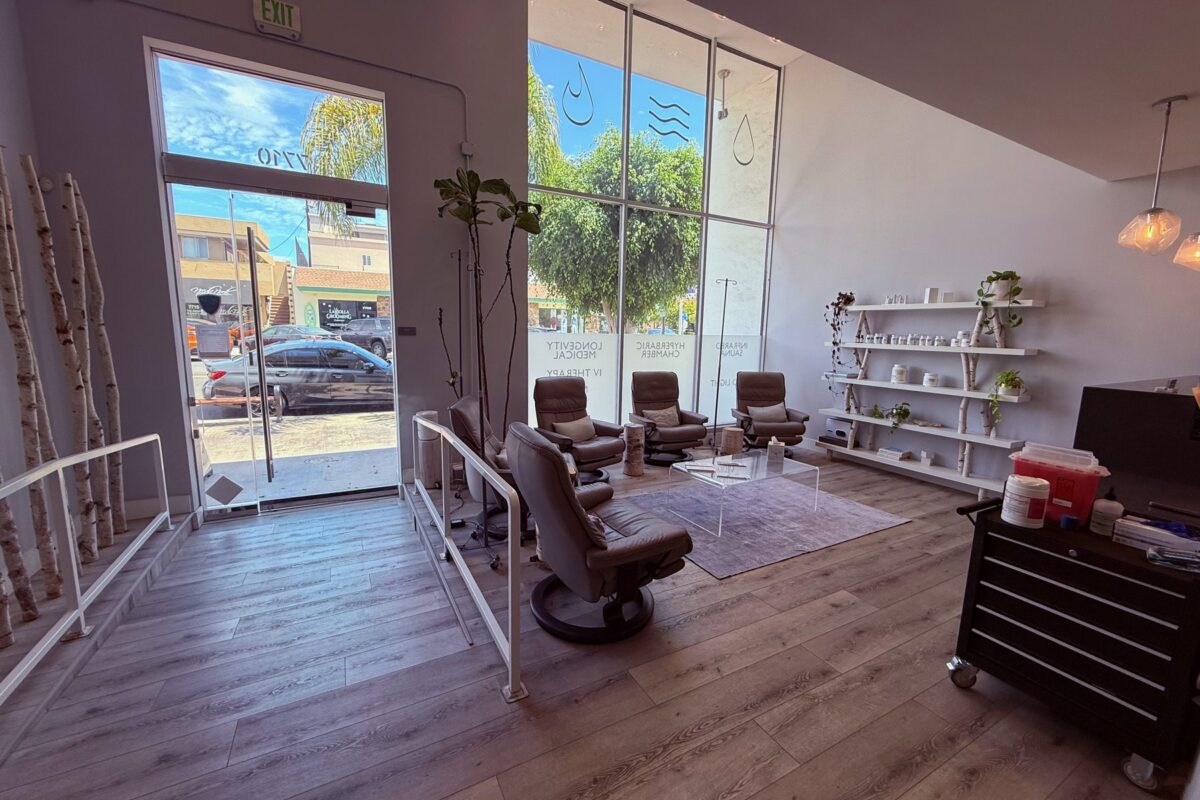
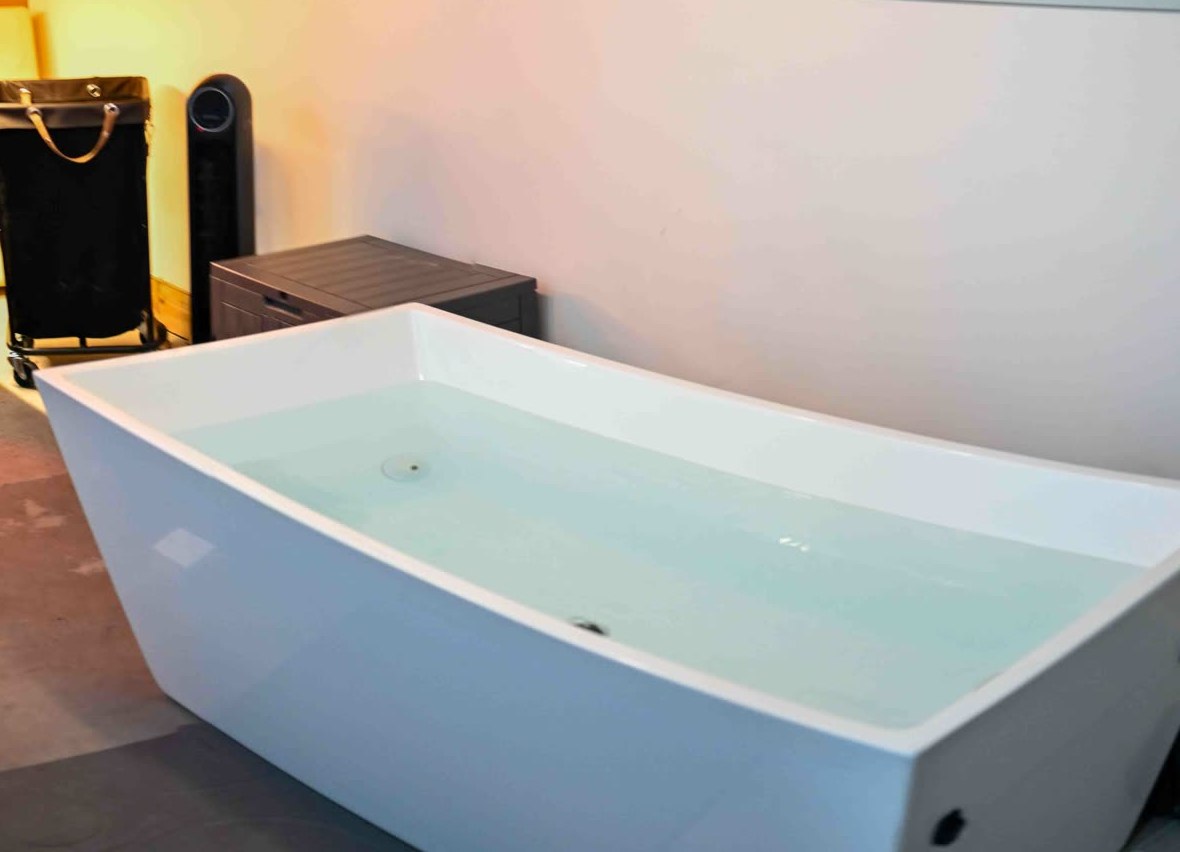 The clinic opens at 8am, which makes a short session before work realistic for downtown commuters, and the plunge sits inside a medical practice rather than a studio with a keypad. The clinical team reviews your history at intake, sets a conservative starting protocol, and builds the weekly number with you from there.
Full details are on the page for infrared sauna and cold plunge in Mission Hills, and the main infrared sauna and cold plunge service page covers both locations. Call the Mission Hills clinic at (619) 772-0252, or book a consult online.
Care is provided under physician supervision. Information on this page is general and is not medical advice. Individual results vary.