

IV therapy is sold across San Diego from clinics, storefronts, and vans that pull up to your door. The pitch rarely changes: faster hydration, more energy, better recovery, delivered straight into the bloodstream.
Whether it is worth the money depends entirely on what you are asking it to do. Part of the pitch is well established. Much of the rest is marketing that has run ahead of the evidence.
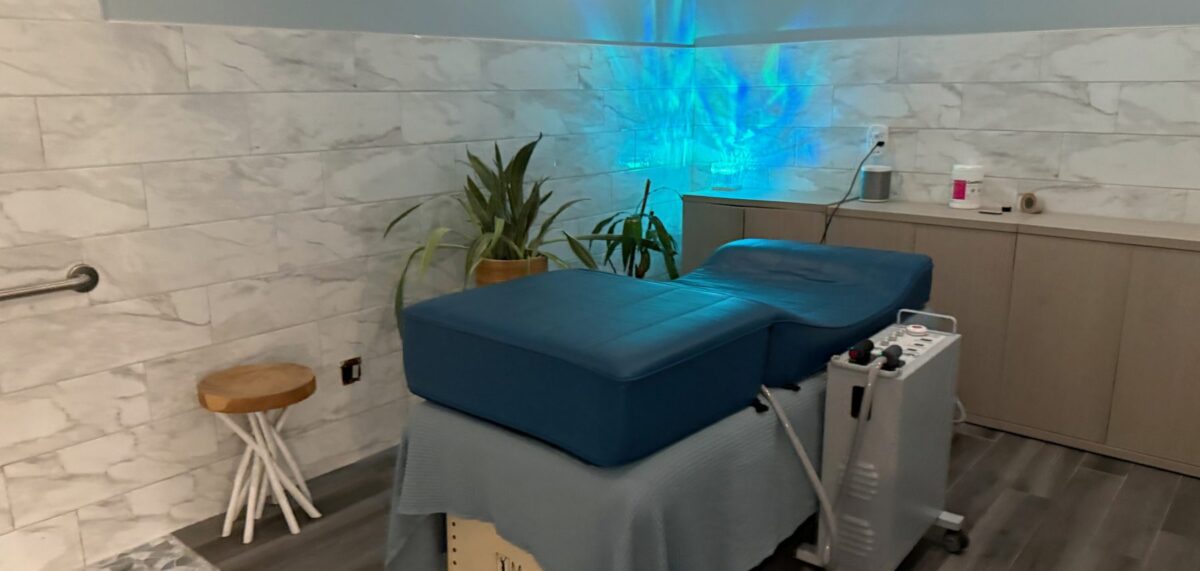
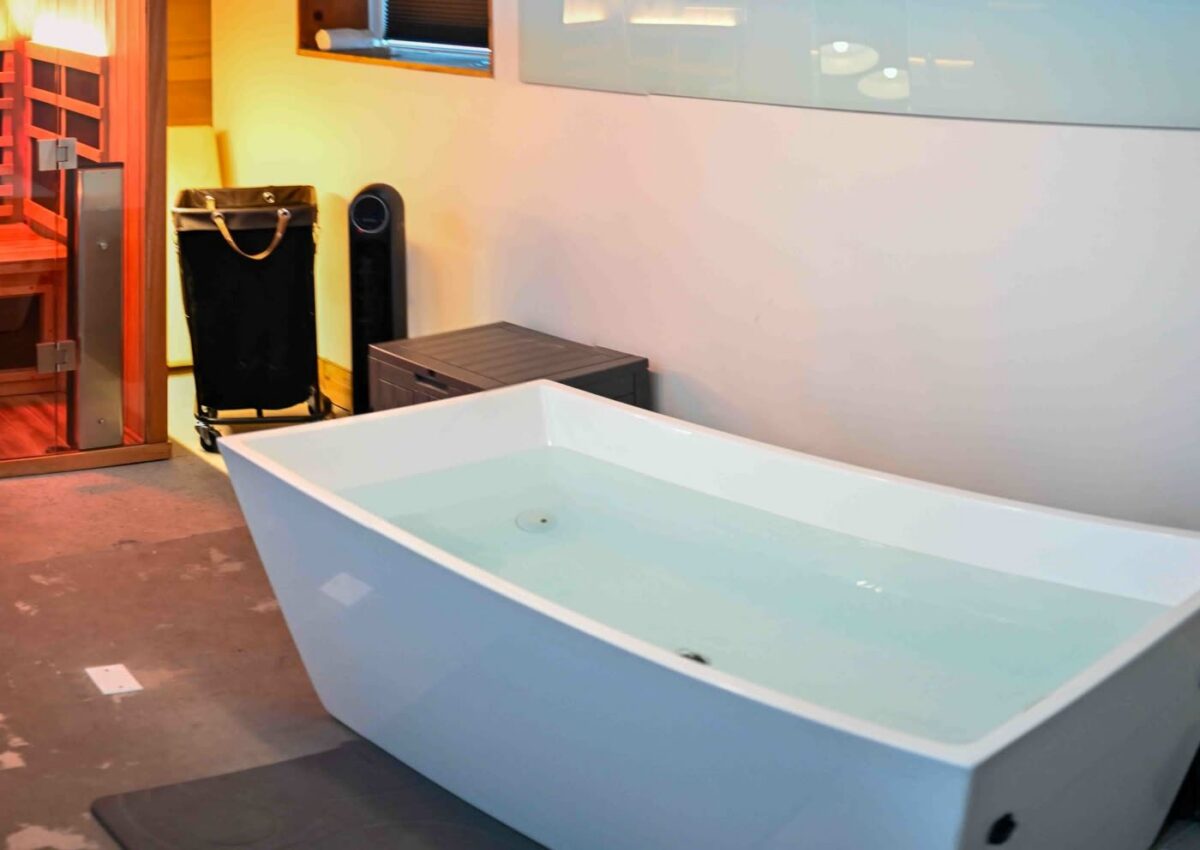
SDBody runs IV and NAD+ therapy at its La Jolla clinic and at Mission Hills, with medical staff who screen first. Here is the honest version of what a drip can and cannot do.
Quick Summary
- Hydration and correcting a documented nutrient deficiency are the two things IV therapy does well.
- Claims past that point, from immunity to detox to lasting energy, run ahead of the evidence.
- An IV is a medical procedure with real risks, including vein irritation, infiltration, allergic reaction, and infection at the access site.
- Kidney disease, heart failure, a history of fluid overload, a bleeding disorder, pregnancy, and some medications call for a clinician’s review first.
- When fatigue has lasted months, bloodwork answers more than a standing drip appointment.
What an IV drip actually does
An intravenous drip delivers fluid and selected nutrients straight into the bloodstream, bypassing digestion. That is the mechanism, and it is also the honest limit of what can be claimed from it.
Two uses stand on solid ground. Rehydrating someone who is genuinely depleted works, and correcting a deficiency a clinician has documented works. For a person who eats normally and is not deficient, the case for a routine infusion gets much thinner.
Where the marketing runs ahead of the evidence
The claims that sell drips, more energy, stronger immunity, detox, sharper focus, are the ones with the least behind them.
The Federal Trade Commission acted on this in September 2018 against a company selling intravenous cocktails, which had advertised that its infusions could treat cancer, congestive heart failure, multiple sclerosis, diabetes, fibromyalgia, and neurodegenerative disorders. The agency said those claims were either false or not supported by competent and reliable scientific evidence.
Research on the most popular formula is thin as well. A randomized, placebo-controlled pilot study of the Myers’ cocktail in 34 adults with fibromyalgia found that most people improved compared with where they started, with no statistically meaningful difference between the infusion and a placebo drip. The authors concluded that its benefit relative to placebo remains uncertain.
Who IV therapy is worth it for
- Someone genuinely depleted after illness, travel, or a heavy training block who wants fluids under supervision
- Patients with a documented deficiency, where a clinician has decided an infusion is the right way to correct it
- Patients already working with the clinic on hormone care or medical weight loss who want support between visits
- Anyone who would rather have it done inside a medical practice, with screening and monitoring, than in a storefront
Comfort and convenience count for something. They are simply a different claim from treating a condition.
Who should think twice, or skip it
An IV is a medical procedure, so the screening matters more than the ingredient list. Talk to a clinician before booking with kidney disease, heart failure, a history of fluid overload, a bleeding disorder, during pregnancy or breastfeeding, or while taking medications that interact with high-dose vitamins.
The other mismatch is subtler. When the reason for booking is months of low energy, a drip is the wrong first move, and that pattern is what normal labs and still not feeling like yourself digs into.
Fatigue that persists has a cause worth finding. Panels are drawn on site, so diagnostic labs in La Jolla can answer the question a drip cannot.
The risks worth knowing
- Vein irritation at the access site
- Infiltration, where fluid leaks into the surrounding tissue
- Allergic reaction to something in the bag
- Infection at the access site
High-dose vitamins are not automatically harmless either, which is why a proper intake asks about your kidneys, your medications, and your history rather than only your goals.
What a session looks like at SDBody La Jolla
Infusions run at the La Jolla clinic on Fay Ave inside a physician-led practice, with staff who screen you first and stay with you through the session. A standard hydration or vitamin drip is a short appointment, while NAD+ infusions run considerably longer because the rate stays slow for comfort.
The service page for IV and NAD+ therapy in La Jolla lists what a clinician reviews before a first infusion.
So is IV therapy worth it?
For hydration, for a deficiency someone has actually documented, or for a supervised session you want and enjoy, it can be. As a fix for tiredness with an unknown cause, or as treatment for a medical condition, it is not. A fair test before booking: can you say what the drip is for, and what would tell you it worked?
Frequently asked questions about IV therapy
Is IV therapy better than taking vitamins by mouth?
For someone eating normally and not deficient, an infusion has no established advantage over oral intake. Where a clinician has documented a deficiency or an absorption problem, that is a different situation and a clinical decision.
Is IV therapy safe?
It is a medical procedure with real risks, including vein irritation, infiltration, allergic reaction, and infection at the access site. Screening and supervision are what keep those risks low.
Are labs needed before an IV drip?
Not for basic hydration. Labs are the better starting point when the reason for booking is ongoing fatigue, because a drip will not answer that question.
Does IV therapy fix a hangover, strengthen immunity, or detox the body?
Those are marketing claims rather than settled findings. Fluids help someone who is genuinely dehydrated, and the rest goes past what the evidence supports.
Is IV therapy available at both SDBody clinics?
Yes. IV and NAD+ therapy run at the La Jolla clinic on Fay Ave and at the Mission Hills clinic.
How long does an IV session take?
A standard hydration or vitamin drip is a short appointment. NAD+ infusions run considerably longer, because the rate has to stay slow for comfort, and the team confirms the expected time when you book.
Talk it through with the SDBody La Jolla team
If you are weighing an infusion, start with a conversation rather than a package. The clinical team reviews your health history, explains what the evidence does and does not support, and says plainly when a drip is the wrong answer.
Call the La Jolla clinic at (858) 401-2383, or book a consult online.
Care is provided under physician supervision. Information on this page is general and is not medical advice. Individual results vary.