
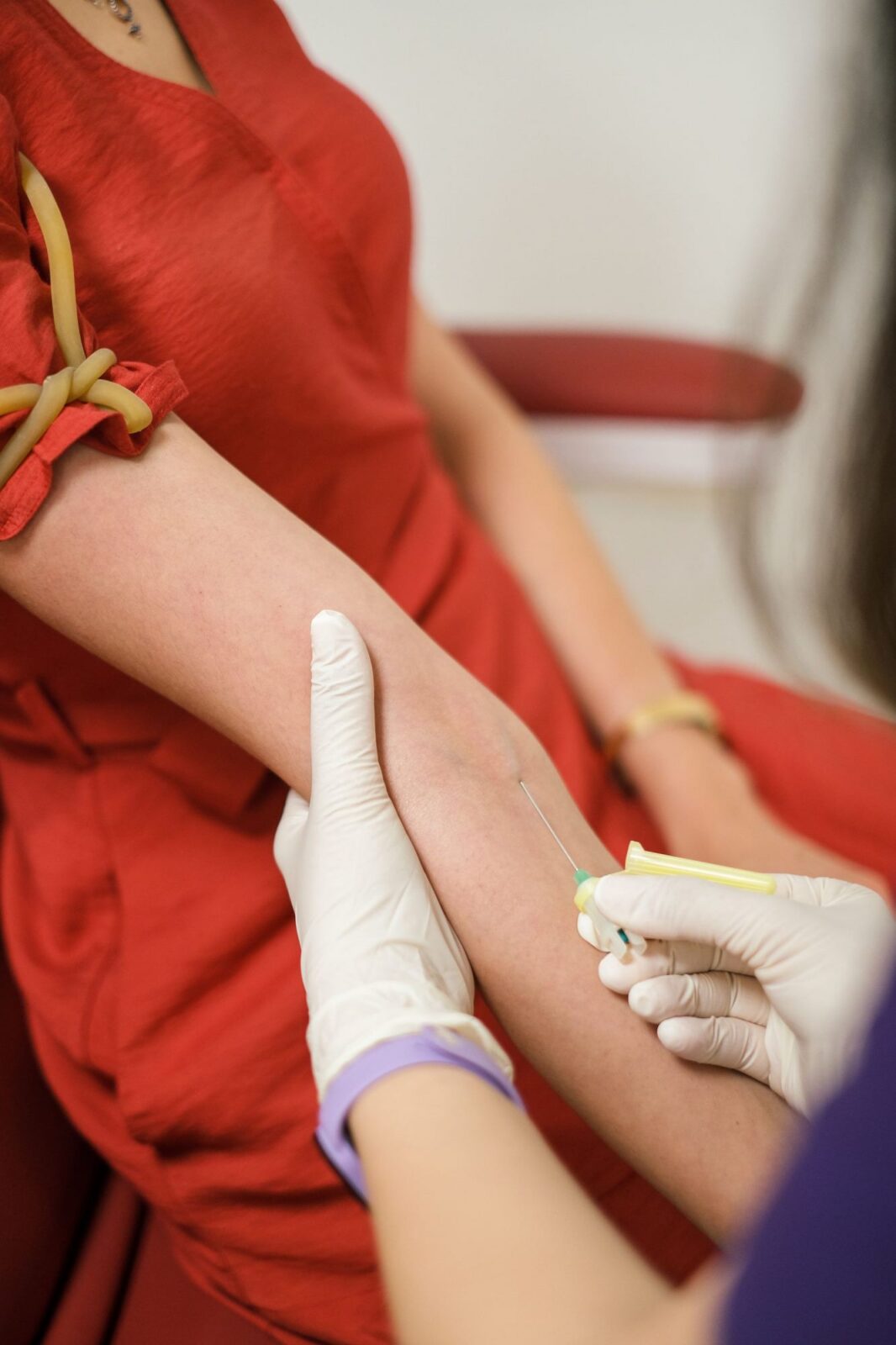
To get a biomarker blood test in Mission Hills, choose who will order and read the labs, then pick a panel that fits your question. Ask about fasting and timing before you book. List every medication and supplement, including biotin, which can interfere with certain lab tests. Arrive hydrated, have blood drawn from a vein in your arm, and review the results with a clinician.
Last Updated: November 11, 2026
Table of Contents
- How Does a Biomarker Blood Test Work in Mission Hills?
- Who Should Order and Read Your Labs?
- Which Panel Fits Your Question?
- Do You Need to Fast or Book a Set Time?
- Which Medicines and Supplements Should You Mention?
- What Happens on the Day of the Draw?
- Who Helps You Make Sense of Your Results?
- Frequently Asked Questions
Care is provided under physician supervision. Information on this page is general and is not medical advice. Individual results vary.
Most routine biomarker testing comes down to one blood draw, ordered by a clinician and read against your symptoms and history. The steps are simple, but small things like fasting, timing and supplements can change what the results mean.
You can go through a clinic, an at-home kit or your primary care doctor. The route matters because it decides who orders the tests, who draws your blood and who explains the results.
At SDBody, we do not require a referral, and we draw blood on site in Mission Hills before a clinician reviews it with you. This guide walks through each step so your results are as useful as possible.
How Does a Biomarker Blood Test Work in Mission Hills?
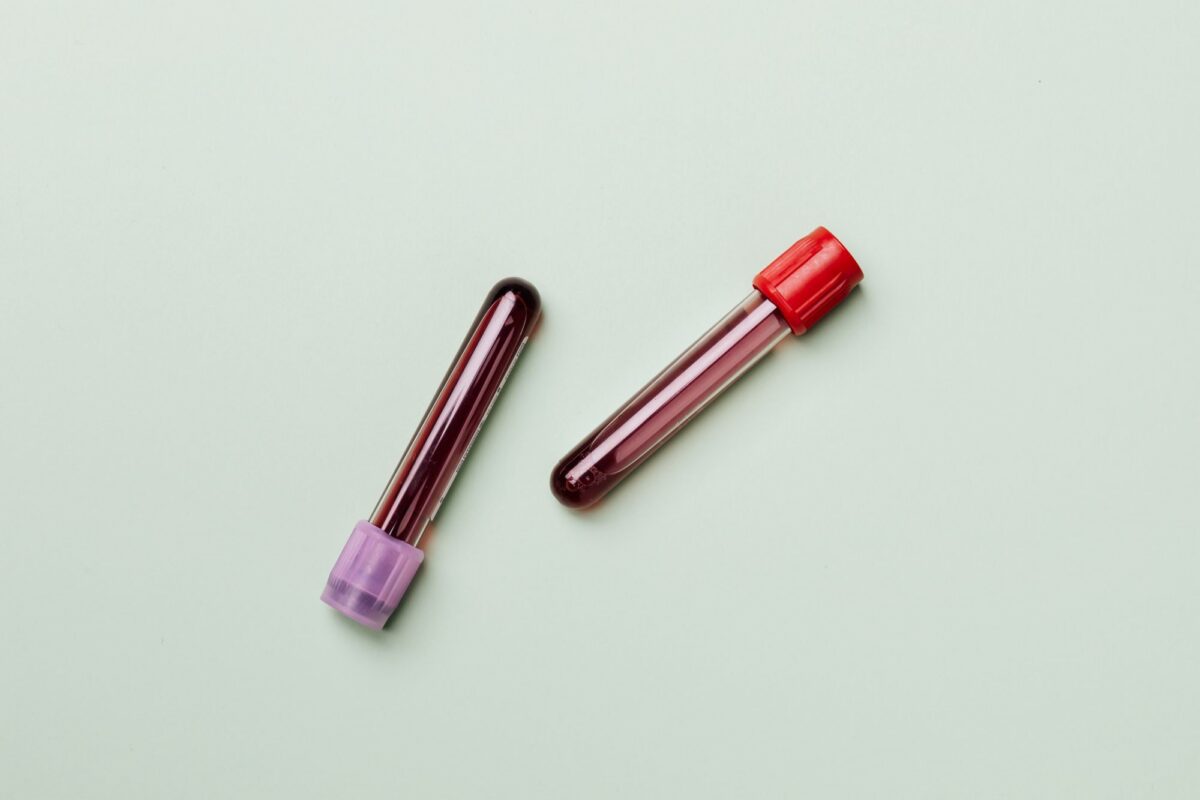
A biomarker blood test measures substances such as hormones, sugars, fats or proteins in a small blood sample. The sample is usually taken from a vein in your arm. A certified lab runs it, and a clinician reads the result alongside your symptoms, history and other tests.
In search results, “biomarker testing” often means tumor testing that guides cancer treatment. This guide covers routine blood work used to check hormones, metabolism and general health. For the markers a hormone panel can cover, see our post on what a full hormone panel includes.
MedlinePlus lists blood testing among the most common lab tests. In a standard draw, a phlebotomist uses a small needle, and you may feel a brief sting. According to MedlinePlus, the draw usually takes less than five minutes.
Who Should Order and Read Your Labs?
Decide first who will order your tests and who will explain the results, because that choice shapes every step after it. Your main options are a clinic like ours, an at-home or online test kit, or your own primary care doctor. Each one works a little differently.
Whatever the route, the lab needs the right federal certificate under the CLIA program before it can accept samples. Under California law, a lab may accept test orders only from licensed practitioners or their representatives. That means an online order usually still runs through a licensed clinician.
The FDA says the evidence behind direct-to-consumer tests varies, and those sold for general wellness are generally not reviewed before sale. The FDA also says home tests are meant to help with your care, not replace visits to your doctor.
Which Panel Fits Your Question?
Choose a panel based on the question you want answered, and do not judge it by how many markers it lists. A clinician can add or drop tests before the draw, so the panel fits your symptoms and your health history.
Through our diagnostic labs service, we start from three panels: Hormone, Core and Advanced. A clinician confirms or adjusts the panel before anything is drawn.
Our two-minute lab panel assessment suggests a starting panel, but it does not diagnose anything. Bring any recent results from another provider. Our guide to what happens at your first visit explains how intake and the draw fit together.
MedlinePlus notes that labs often use different methods and ranges, so results from different labs cannot be compared directly. To track trends, it may help to stay with the same lab, so ask your clinician.
Do You Need to Fast or Book a Set Time?
Ask whether your tests need fasting or a set time of day before you book, because both can change the results. MedlinePlus says most blood tests need no special preparation, but some need fasting. Several hormone tests are also timed for the morning.
Hormone levels also shift with age, as our post on why hormone levels change with age explains. According to MedlinePlus, fasting means nothing to eat or drink except plain water, usually for 8 to 12 hours. The clinician who orders your test tells you exactly how long.
Do not fast unless told to, because fasting can affect some results too. If you do need to fast, an early slot lets most of the fast happen overnight, and our clinic opens at 8am on weekdays. Our team gives you exact instructions when you request a time online.
Which Medicines and Supplements Should You Mention?
Bring a complete list of every medicine, vitamin and supplement you take, because some of them can change lab results. Tell your clinician about all of them, including the occasional ones. MedlinePlus advises against stopping any medicine unless your provider tells you to.
Biotin deserves a mention of its own. The FDA says biotin, often found in dietary supplements, can significantly interfere with certain lab tests and cause incorrect results that may go undetected.
If you take a product that contains biotin, ask your clinician before your draw whether to pause it.
What Happens on the Day of the Draw?
Arrive at the time you were given, well hydrated, and ready to mention anything unusual from the day before. A current illness, a poor night’s sleep or a hard training session can all move some numbers. Flag them before the draw so your clinician can weigh them.
For blood work at our Mission Hills clinic, we take the sample on site.
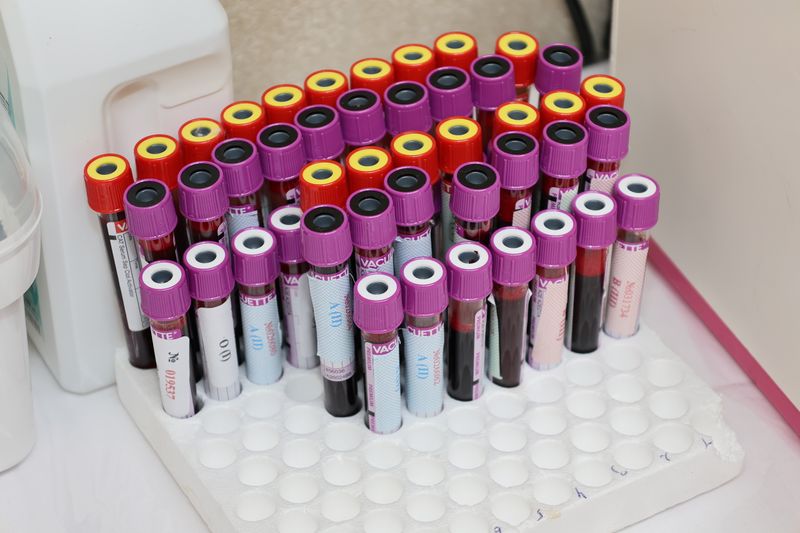
MedlinePlus says staying hydrated can make the draw easier. The risk is small, and slight pain or bruising usually fades quickly.
MedlinePlus also notes that feeling light-headed after a fasting draw is common, so consider bringing a snack. If you faint, or have chest pain or trouble breathing after a draw, call 911.
If you did not follow the preparation instructions exactly, say so honestly. MedlinePlus warns that even a small change from the instructions can affect results.
Who Helps You Make Sense of Your Results?
Go through your results with a clinician, even if everything looks normal, because blood work alone does not always give enough information for a diagnosis. MedlinePlus explains that reference ranges come from large groups of healthy people. A result outside the range may or may not mean a problem.
At our clinic, a clinician reviews your results with your symptoms, history and medications. If your numbers sit in range but you still feel unwell, our post on normal labs that still feel off looks at that gap.
At SDBody, we draw blood on site and sit down with you afterward to explain what it means. To check fasting and timing for your panel, call our Mission Hills clinic at (619) 772-0252.
Frequently Asked Questions
Can you get blood work done without a doctor?
You can buy some tests directly, but in California only licensed practitioners or their representatives can send test orders to a lab. An online service usually uses a licensed clinician to order your tests. The FDA says direct-to-consumer wellness tests are generally not reviewed before sale, so talk with a clinician about the results.
What are biomarkers in a blood test?
Biomarkers in a blood test are measurable substances, such as hormones, sugars, fats, proteins or blood cells, that show how your body is working. A single result rarely tells the whole story. Clinicians read biomarkers alongside your symptoms, medical history and other tests.
Our post on the five signs of hormonal imbalance covers the symptoms clinicians hear about most.
Can you drink coffee before a blood test?
Not if your test requires fasting. MedlinePlus says coffee, juice, soda and other drinks can get into your bloodstream and affect your results, so stick to plain water during a fast. If your test does not need fasting, ask the clinician who ordered it whether coffee is fine.