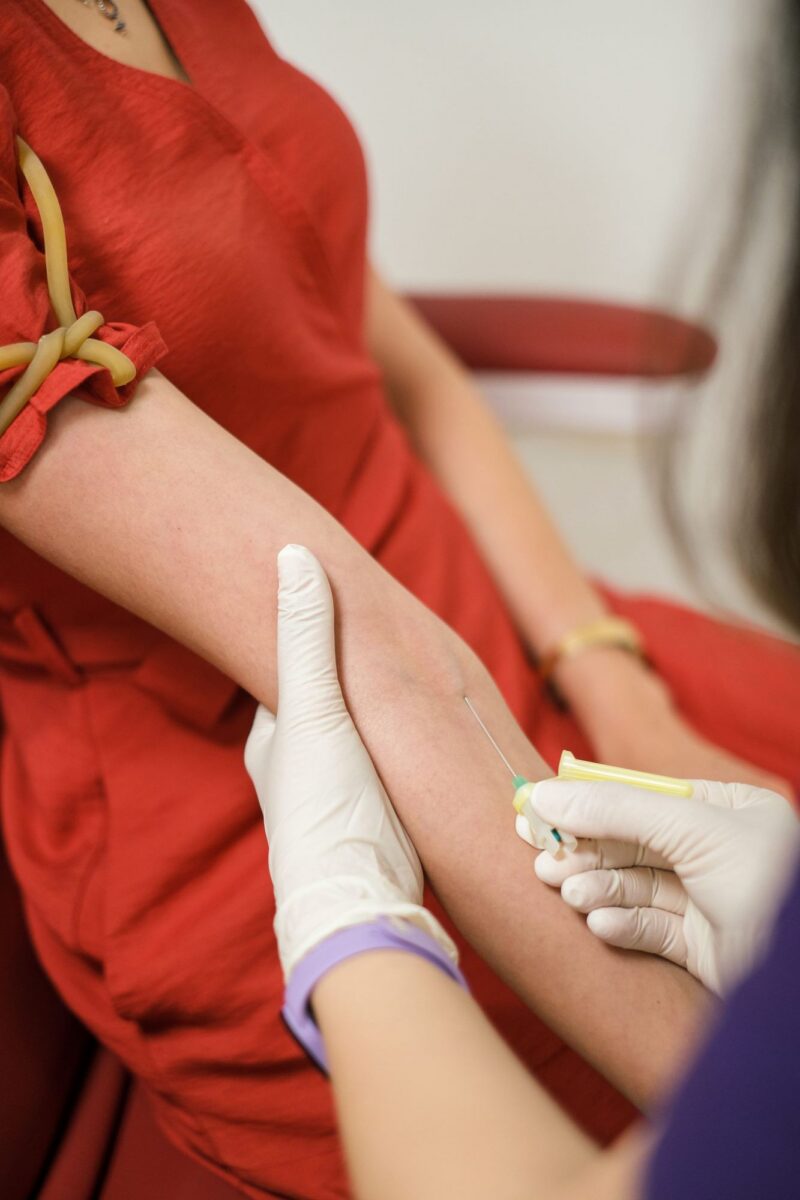

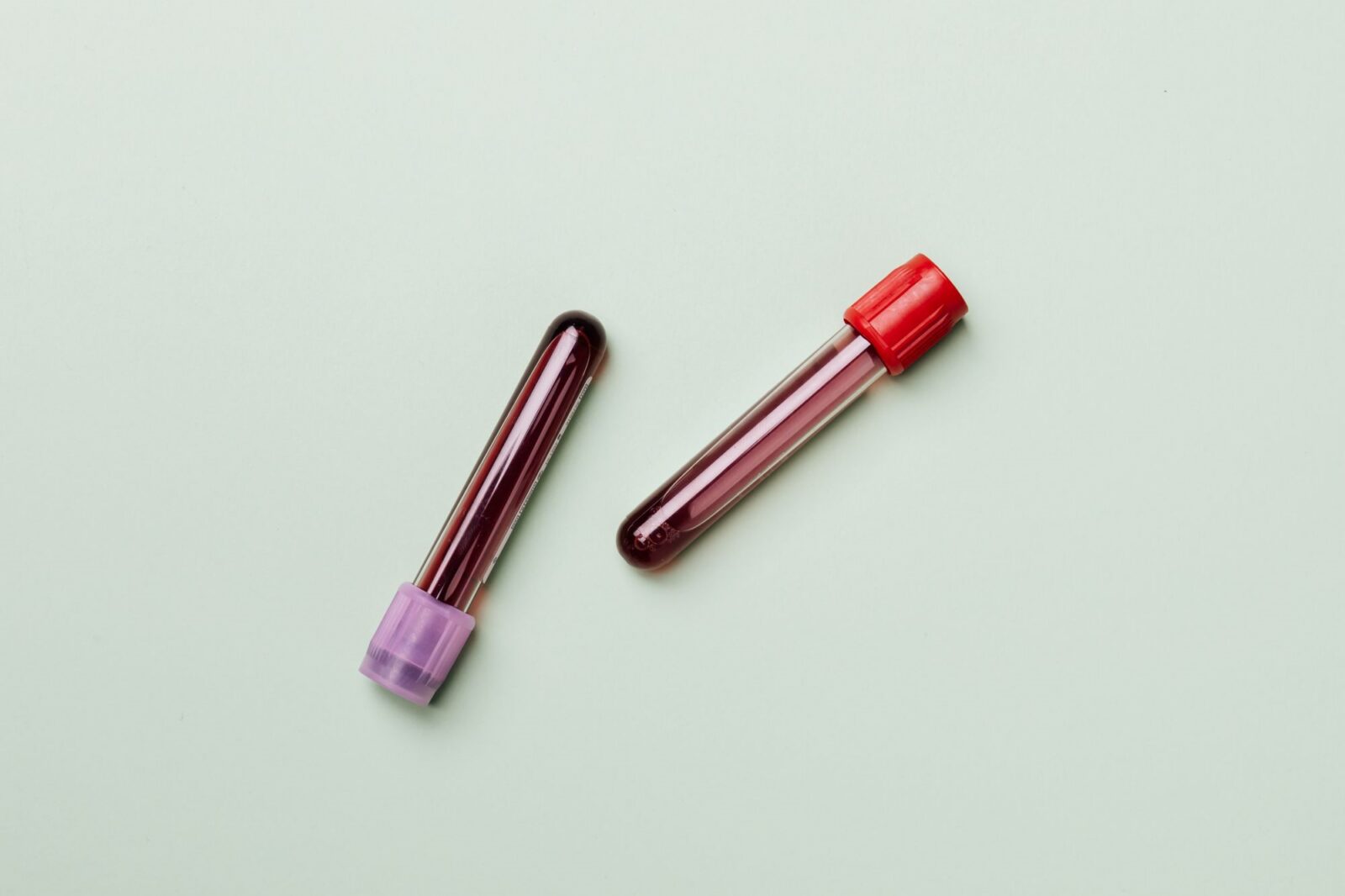
A full hormone panel in Mission Hills has no single standard list. It often covers testosterone, sometimes with SHBG to help read it, along with estradiol, FSH, LH and thyroid tests like TSH and free T4. Broader panels can add metabolic, blood count, cholesterol and inflammation markers. A clinician chooses the tests for your question, and each result is read with your timing, symptoms, medications and supplements in mind.
Last Updated: November 11, 2026
Table of Contents
- What Does a “Full Hormone Panel” Actually Mean in Mission Hills?
- Which Hormone Markers Does a Full Panel Usually Measure?
- What Else Do the Core and Advanced Panels Look At?
- Why Can the Same Result Mean Different Things?
- Picking a Panel That Fits Your Question in Mission Hills
- Frequently Asked Questions
Care is provided under physician supervision. Information on this page is general and is not medical advice. Individual results vary.
Labs use the phrase full hormone panel for a group of blood tests that look at sex hormones, thyroid function and often broader health markers. The name is a consumer term, so two labs can sell a “full panel” with quite different contents.
What matters more than the label is which markers are included and why. Each one answers a different question, and none should be read as a diagnosis on its own.
At SDBody, we offer three panels, Hormone, Core and Advanced, and before your draw a clinician reviews or adjusts the testing. This guide explains the markers a full panel often includes and what each one can tell you.
What Does a “Full Hormone Panel” Actually Mean in Mission Hills?
“Full hormone panel” is not one standardized clinical test, and lists vary from lab to lab. A women’s panel from one lab may include thyroid tests while a similarly named panel from another leaves them out. A men’s panel may skip LH and FSH.
So ask what your panel covers before you book. We describe our own panels by area instead of a fixed list of tests.
Our Hormone Panel covers “testosterone status and the markers used to interpret it”, thyroid function and baseline safety markers before hormone therapy. Our Core Panel, where most people start, covers “your full hormone profile”, thyroid function, metabolic and blood sugar health, and general health screening markers. Testing is selected for your question, and a clinician can widen or narrow it at our Mission Hills diagnostic labs.
Our guide to what happens at your first visit shows when a clinician selects your panel.
Which Hormone Markers Does a Full Panel Usually Measure?
Many full hormone panels measure testosterone, estradiol, the pituitary hormones FSH and LH, and thyroid function through TSH and free T4. Lists vary, and some add SHBG, progesterone, prolactin, DHEA sulfate or cortisol, depending on the question and the person being tested.
Testosterone and SHBG
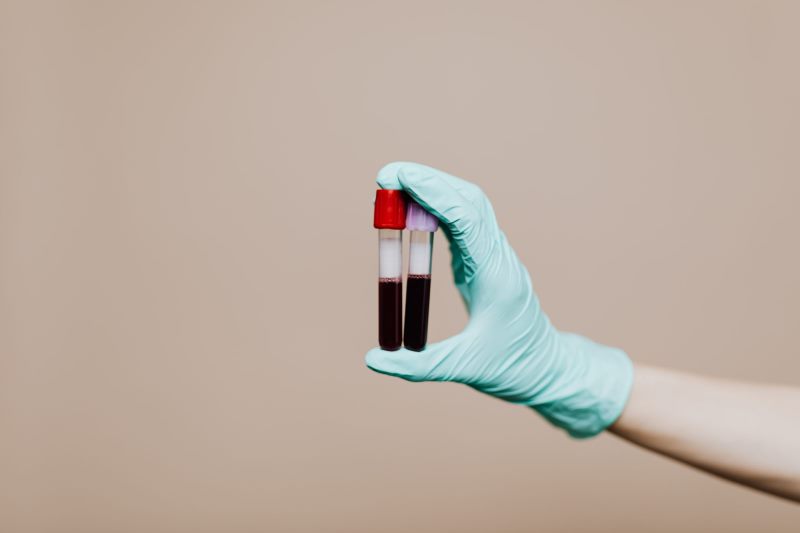
MedlinePlus says a total testosterone test measures both bound and free testosterone, and it is the most common version. A free testosterone test measures only the testosterone not attached to proteins.
SHBG is a protein made mostly in the liver that binds sex hormones and helps control how much of them is active. It is often tested alongside testosterone.
Testosterone is usually measured in the morning. The Endocrine Society’s 2018 guideline recommends confirming a low result in men by repeating a fasting morning test.
If a low result leads to a request, can I ask my doctor to prescribe TRT in Mission Hills covers what happens next.
Estradiol, Progesterone and Prolactin
MedlinePlus says estradiol, or E2, is the main estrogen in nonpregnant women of childbearing age and is mostly made in the ovaries. In men, an estradiol test may help show whether too much estrogen is behind breast growth or erectile problems.
Progesterone is made mainly by the ovaries and rises in the second half of the menstrual cycle. Prolactin, a pituitary hormone, is used with other tests to look into irregular periods, infertility or, in men, low sex drive.
FSH and LH
FSH and LH are pituitary hormones that work together to control reproduction, so they are often tested as a pair. In men, LH signals the testicles to make testosterone; in women, it helps control the cycle and triggers ovulation.
High FSH is a normal sign of perimenopause and menopause. Even so, MedlinePlus notes the test usually is not needed to confirm menopause at 45 or older.
Thyroid, DHEA Sulfate and Cortisol
MedlinePlus explains that TSH tells the thyroid how much hormone to make, and free T4 is the main thyroid hormone in its unbound form. The two are usually read together, because T4 alone cannot diagnose a thyroid problem.
DHEA sulfate is made mostly in the adrenal glands and helps show how well they are working. Cortisol, another adrenal hormone, changes through the day and is normally highest in the morning, so the time of the draw matters.
What Else Do the Core and Advanced Panels Look At?
Some broader panels also look past sex hormones to blood sugar, blood counts, cholesterol and inflammation. Our Advanced Panel adds “expanded hormone and thyroid evaluation”, “inflammation markers” and “advanced cardiovascular risk markers” to the Core Panel. It suits people with more than one higher-risk factor.
Across labs, common markers include A1C, which MedlinePlus says shows average blood sugar over the past two to three months. A comprehensive metabolic panel measures 14 substances, covering glucose, electrolytes and kidney and liver function. Our post on the difference between a lab test and a diagnostic test covers how the two compare.
A complete blood count includes hemoglobin and hematocrit, and a cholesterol test gives information about heart disease risk. MedlinePlus notes that CRP shows how much inflammation is present, not its cause or location. Lipoprotein (a) is a type of LDL whose level is set mostly by genes.
Our page on the three lab panels explains who each panel suits.
Why Can the Same Result Mean Different Things?
A hormone result depends on when blood was drawn, what you take and how you feel, so the same number can mean different things. Reference ranges are built from populations, so a clinician reads each result with your symptoms, history and medications.
Timing matters for several markers. Testosterone follows a daily rhythm, cortisol changes through the day, and fasting markers read differently in the morning than after a meal.
The FDA says biotin, often found in dietary supplements, can significantly interfere with certain lab tests. List every medication and supplement you take, and ask your clinician whether a test applies to you.
You can see how a clinician reads results in context on our diagnostic lab testing in San Diego page. Our post on when normal labs still feel off explains why an in-range number is not the whole story.
For the steps from ordering labs to reading results, see our guide on how to get your biomarkers tested in Mission Hills.
Picking a Panel That Fits Your Question in Mission Hills
A full hormone panel is most useful when the tests match your question and someone reads the results with your symptoms in mind. At SDBody, our medical staff explain what each panel covers and help you pick the one that suits your reason for visiting.
We draw your blood on site at 1747 Hancock St Ste C, from 8am to 4pm Monday through Thursday and 8am to 3pm on Friday. Call (619) 772-0252 to ask which panel fits your situation and book a consultation.
Frequently Asked Questions
What does a male hormone test check for?
A male hormone test usually checks total testosterone and may add SHBG or free testosterone, LH, FSH, estradiol and thyroid tests. MedlinePlus says it is mostly used when a man has symptoms of low testosterone. Our guide on why hormone levels change with age covers the background.
When should a woman get a hormone panel?
A woman may get a hormone panel when she has symptoms such as irregular periods, fertility questions or signs of perimenopause. Timing within her cycle matters, because progesterone rises after ovulation. Past 45 with typical symptoms, MedlinePlus says FSH testing is usually not needed to confirm menopause.
Do you need to fast for a hormone blood test?
It depends on the tests in your panel. The Endocrine Society’s 2018 guideline recommends measuring testosterone on a fasting morning sample. MedlinePlus says you may need to fast before a cholesterol test, and our team tells you whether to fast when you book.
Are there any risks to a hormone blood test?
MedlinePlus says there is very little risk to having a blood test. You may have slight pain or bruising where the needle went in, but most symptoms go away quickly. If you have sudden chest pressure, shortness of breath or pain spreading to your jaw or left arm, call 911.