

What qualifies for medical weight loss? At a physician-led clinic the answer is a clinical decision rather than a number on a scale. A clinician weighs your measurements, your health history, your bloodwork, and whether a supervised plan fits your goals. Most programs begin from the same markers, so it helps to know them before you book.
SDBody runs its Mission Hills clinic on Hancock Street, and its own medical weight loss page says testing is what makes the program medical. This guide covers the measures most programs begin with, why the labs come first here, the history that changes the answer, and what the evaluation looks like in Mission Hills.
The measures most programs start with
 Two numbers come up in almost every program: body mass index (BMI) and waist size. The U.S. Preventive Services Task Force (USPSTF) statement published in JAMA in 2018 defines overweight as a BMI of 25 to 29.9 and obesity as 30 or higher, and recommends that clinicians offer or refer adults at 30 or higher to intensive, multicomponent behavioral programs.
Waist size matters on its own. The National Heart, Lung, and Blood Institute puts a healthy BMI between 18.5 and 24.9 and notes that a waist over 35 inches for women or 40 inches for men raises the risk of heart disease and type 2 diabetes. MedlinePlus makes the same point: extra fat carried at the waist raises the risk of weight-related health problems more than fat at the hips.
Programs that publish their criteria often pair a BMI threshold with a physician evaluation and baseline labs such as a metabolic panel, lipids, a blood count, and thyroid testing, and the USPSTF’s own summary table sets the bar lower when high blood pressure, abnormal cholesterol, or abnormal blood sugar is already present. Treat the numbers as the start of a conversation. MedlinePlus notes that BMI can overestimate body fat in people with a muscular build and underestimate it in older adults and in anyone who has lost muscle.
Why the clinic runs bloodwork before it answers
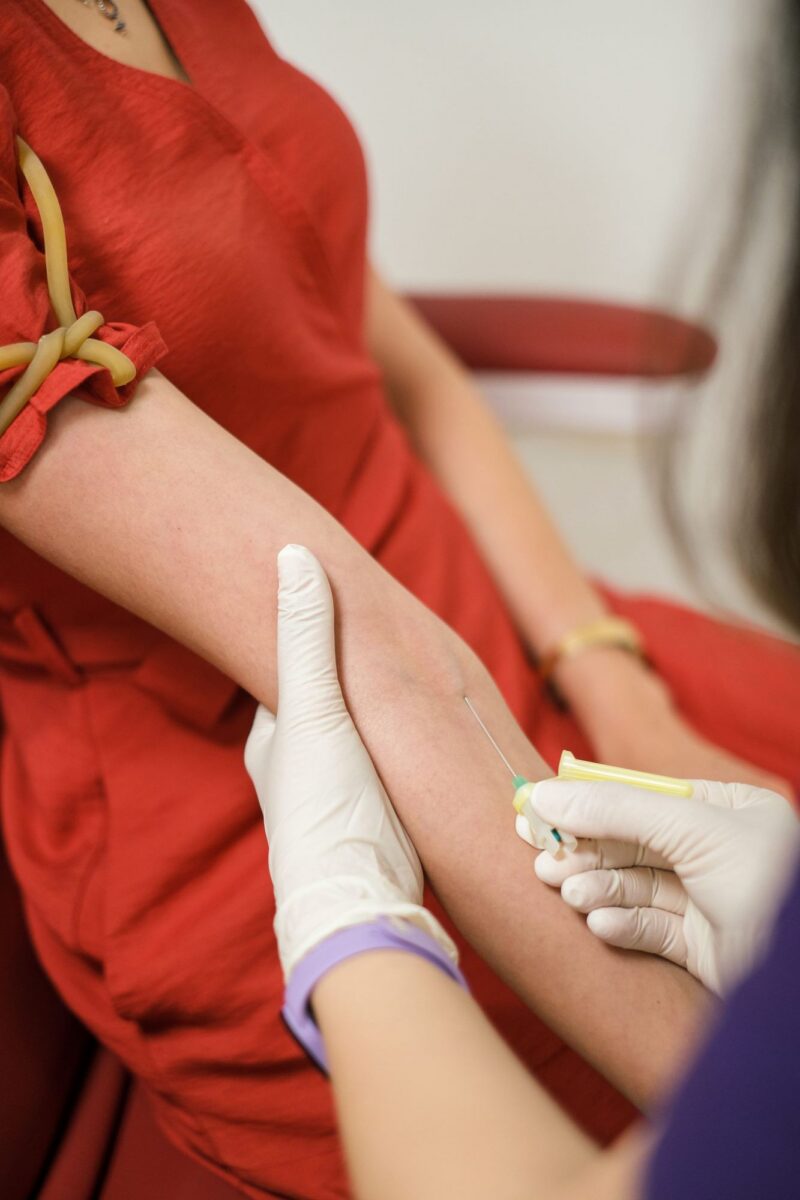
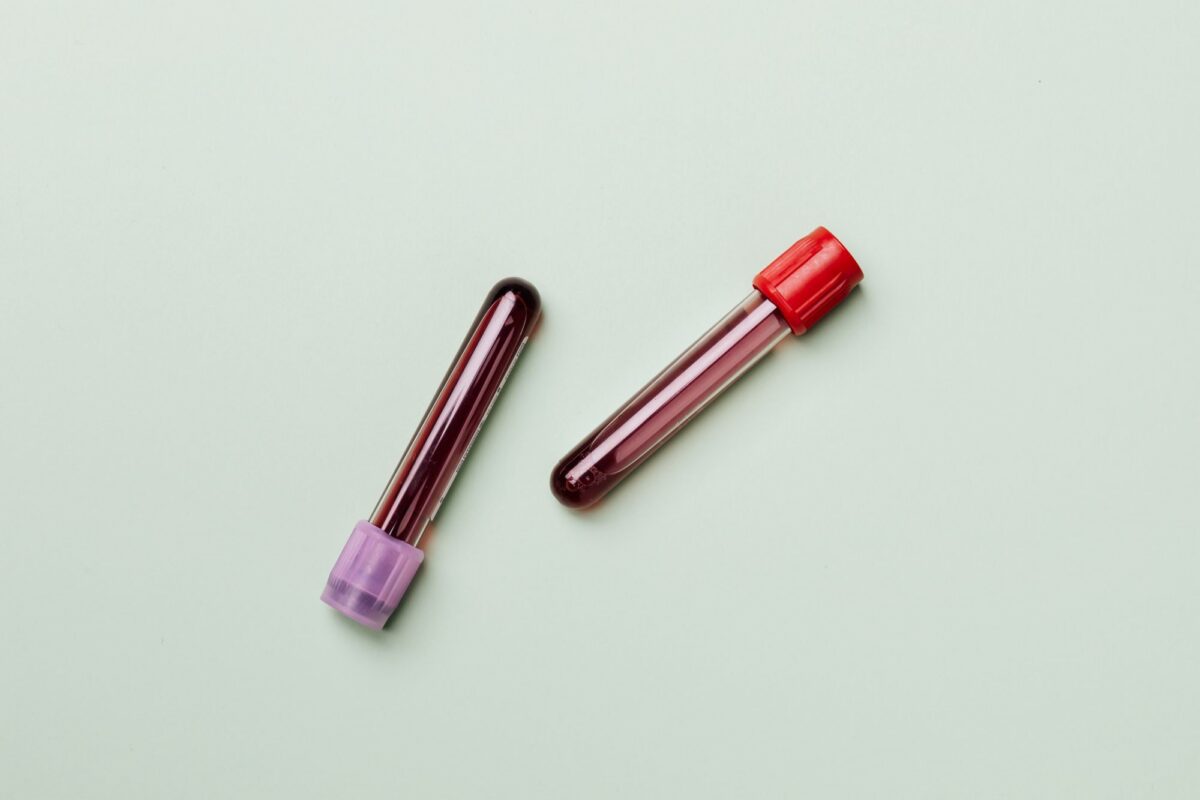
In SDBody’s weight program, bloodwork comes first, because the result often changes the recommendation. The Mission Hills clinic draws blood on site, offers three panels called Hormone, Core, and Advanced, and has a clinician go through the results with you afterward. The clinic’s page on diagnostic labs in Mission Hills describes this as labs read in clinical context.
Thyroid markers are one reason the draw comes first. MedlinePlus lists weight gain among the symptoms of hypothyroidism, alongside fatigue, trouble tolerating cold, and dry skin. Hormone and metabolic markers can shape the plan the same way, and the clinic’s labs page lists weight that resists genuine, sustained effort among the reasons people book a draw.
If you have already been told that your labs look normal and still feel off, that gap can be a starting point for a clinical conversation. The clinic’s guide to normal labs that still feel off explains how a result inside the reference range can still be worth a second look, and why the clinicians read the whole picture before they answer.
Health history that changes the answer
Numbers and labs are half of the picture. The other half is your weight pattern over time. The clinic’s medical weight loss page names the patterns it sees often: losing and regaining weight more than once, weight climbing through your thirties or forties with no clear change in habits, and wanting a clinician rather than an app.
Age belongs in that history too. The clinic’s guide to why hormone levels change with age explains how hormone production shifts over the decades and why the same habits can produce a different result at 45 than at 25. Sleep, stress, and any other condition you are being treated for go on the list as well, because each one can push weight in a direction that effort alone may not move.
The point of collecting all of this is to decide what kind of care fits, if any. The clinic’s weight loss page says hormones and weight are treated as one problem, and that some patients start with labs and hormone care.
Five questions about qualifying
Is there a weight you have to reach to qualify?
Not a single one. Many programs use the USPSTF definitions as a starting point, overweight at a BMI of 25 to 29.9 and obesity at 30 or higher, yet at SDBody candidacy is decided through labs and a clinical evaluation, and a number alone does not settle it.
Are labs required before starting?
Yes. The clinic’s own page says testing is what makes the program medical and that it frequently changes the recommendation. The draw happens on site in Mission Hills, and a clinician reviews the results with you.
Can a thyroid or hormone problem be the reason weight will not move?
It can be one factor. MedlinePlus lists weight gain among the symptoms of hypothyroidism, and the clinic approaches hormones and weight as one problem. Whether that applies to you is a question for the clinician reading your panel.
What if your BMI is in the healthy range and you keep gaining?
The pattern still counts. A steady climb, repeated regain, or a change that does not match your habits is worth an evaluation, and labs may help show what sits behind it. The clinician decides whether a supervised plan, hormone care, or something else fits.
How long does it take to find out whether you qualify?
There is no fixed timeline, because the answer depends on the panel chosen and what it shows. The Mission Hills clinic draws blood on site and reviews the results in the same building, and a clinician goes through them with you once they are back. If the results point toward something the clinic does not treat, its labs page says you hear that directly.
When a weight program is not the next step
Qualifying also means ruling things out. A clinician may send you elsewhere when the picture calls for it. Rapid weight change with no clear cause, an eating disorder history, and pregnancy or breastfeeding are things a clinician may want to look at first, and chest pain or severe shortness of breath belongs in emergency care rather than a consult.
None of this is a reason to avoid your own doctor. The clinic’s guide to what happens at your first visit describes how the intake works and how a clinician decides whether an examination or testing is appropriate before anything is recommended. If a weight program is not the right fit, the results review is where you hear that, along with what might fit instead. If you are weighing the cost and follow-up, is medical weight loss worth it walks through what to ask any program.
What qualifying looks like at the Mission Hills clinic
The process runs in stages, and every step is explained before the next one begins. The first step pairs intake, meaning your goals, symptoms, and health history, with diagnostics, biomarkers, and a body composition analysis. A clinician then interprets the labs against your goals and builds a plan, and follow-up visits review new labs and refine it with you.
Two commitments on the clinic’s weight loss page are worth knowing before you book. It says any clinic quoting a promised number of pounds is selling rather than treating, and that results vary with your starting point, your labs, the approach you and your clinician choose, and how your body responds. The same page says the plan comes with its alternatives, risks, and monitoring schedule explained before anything begins.
Mission Hills is the location many downtown patients choose because it opens at 8am. The clinic sits at 1747 Hancock St Ste C, with street and lot parking nearby, minutes from Downtown San Diego and the airport. For a wider look at how the same evaluation-first approach runs across its services, the clinic’s Mission Hills guide to whether longevity clinics are worth the money is a fair companion read.
To find out whether you qualify, start with an intake and a morning draw at SDBody Mission Hills, call (619) 772-0252, or book a consult online.
Care is provided under physician supervision. Information on this page is general and is not medical advice. Individual results vary.