
PEMF shows up in gyms, chiropractic offices, and recovery studios across San Diego, usually with a vague promise about cells and energy. What it actually does is more specific, and more limited, than the pitch.
This guide covers the mechanism in plain terms, the medical uses with FDA clearance behind them, where the wellness evidence stands, and what a session involves.
SDBody offers PEMF at its La Jolla clinic as a recovery and comfort service, screened by a clinical team. Here is the clinic’s own account of what the mat can and cannot do.
Quick Summary
- PEMF applies low-frequency electromagnetic pulses to the body through a mat or an applicator, and you feel a faint tapping or nothing at all.
- The working idea is that pulsed fields influence activity at the cell membrane, which is the basis for the FDA-cleared medical uses of prescription PEMF devices.
- Those cleared uses are specific: supporting bone healing alongside fracture fixation and spinal fusion, and treating nonunions, with prescription devices under medical direction.
- For general recovery, sleep, and soreness, the research is smaller and mixed, and SDBody presents PEMF as a recovery and comfort service rather than a treatment.
- Sessions are passive and fully clothed, with no preparation and no downtime.
What PEMF does, in plain terms
Pulsed electromagnetic field therapy applies low-frequency electromagnetic pulses to the body, usually through a mat you lie on or an applicator placed over a specific area. There are no needles, no heat, and no recovery time afterward. Most people notice a faint tapping or light buzzing, and many feel nothing.
The idea behind it is that pulsed fields influence activity at the cell membrane. That mechanism is the basis for the FDA-cleared medical uses of PEMF devices, all of them prescription devices used under medical direction.
What PEMF is cleared to do
The clearest answer to what PEMF does comes from regulators. The FDA classifies non-invasive bone growth stimulators as prescription devices, intended to be used externally to promote bone formation as an adjunct to fracture fixation and spinal fusion, or as a treatment for established nonunions and failed fusions.
Specific pain and swelling indications after surgery are handled by other cleared prescription devices. In every case the device, the dose, and the supervision are tied to the indication. A wellness mat is a different product used for a different purpose.
What the wellness research shows
The strongest evidence for PEMF sits with those cleared medical uses. The wellness use most people ask about, lying on a mat for general recovery, sleep, and soreness, rests on a much smaller and more mixed body of research.
A 2026 systematic review and meta-analysis of nine randomized trials in knee osteoarthritis, 457 patients in all, found no clear improvement in pain scores at one month, with some improvement in stiffness and daily activity at that point. That is the honest shape of the evidence: some signals, nothing settled.
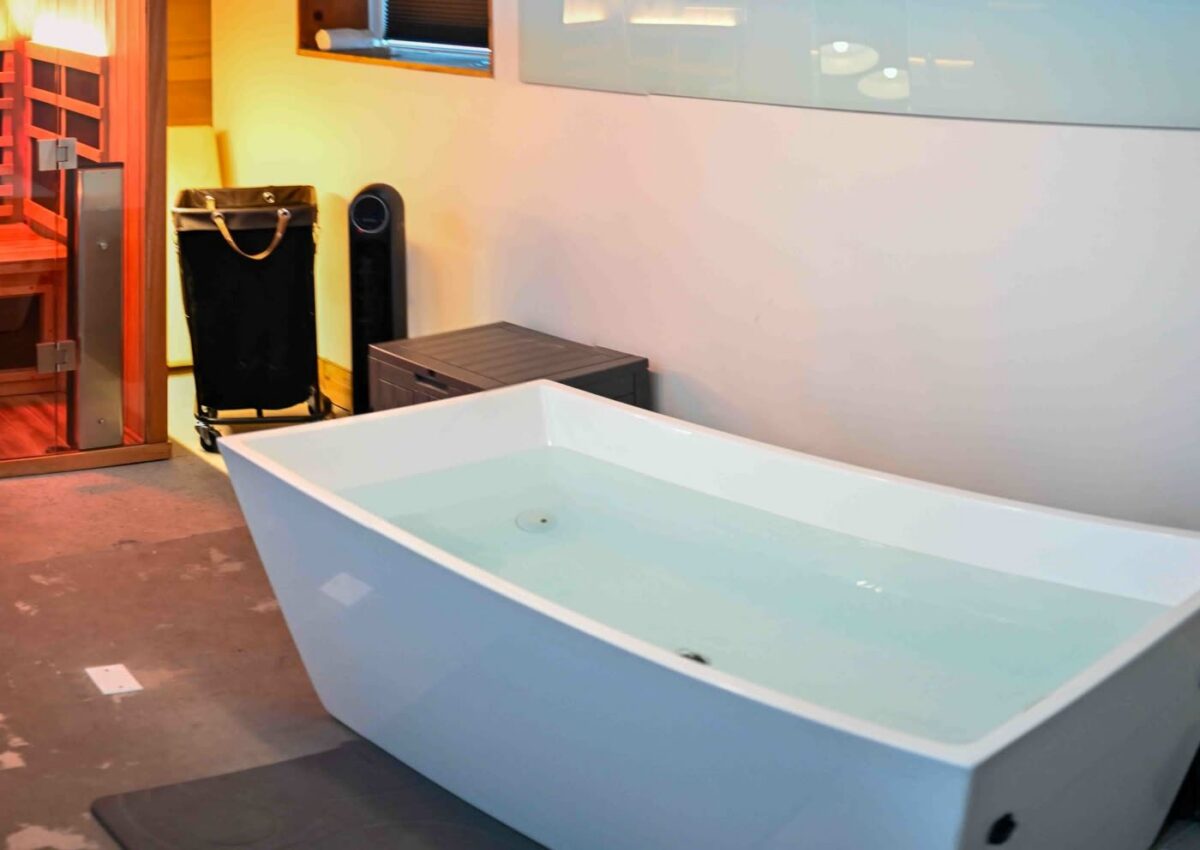
Patients at the La Jolla clinic tell the team it helps them wind down, and some report less stiffness after hard training. Those are real experiences, and they are worth something. They are also not the same as proof, and SDBody does not blur the two. Cold water is the recovery tool with the larger evidence base, and the clinic’s guide to how long to stay in a cold plunge covers what that research supports.
Who uses PEMF at SDBody La Jolla, and why
- Athletes and gym regulars managing soreness through a training block
- Patients working through general stiffness and slow recovery
- People who want a low-effort, passive recovery session that asks nothing of them
- Patients in hormone care who are building a broader recovery routine
- Anyone recovering from a procedure who wants supportive care alongside their medical plan
If the goal is to find out why recovery is poor in the first place, the answer is more likely in bloodwork than on a mat, which is why the clinic points people to diagnostic labs in La Jolla first.
What a PEMF session involves
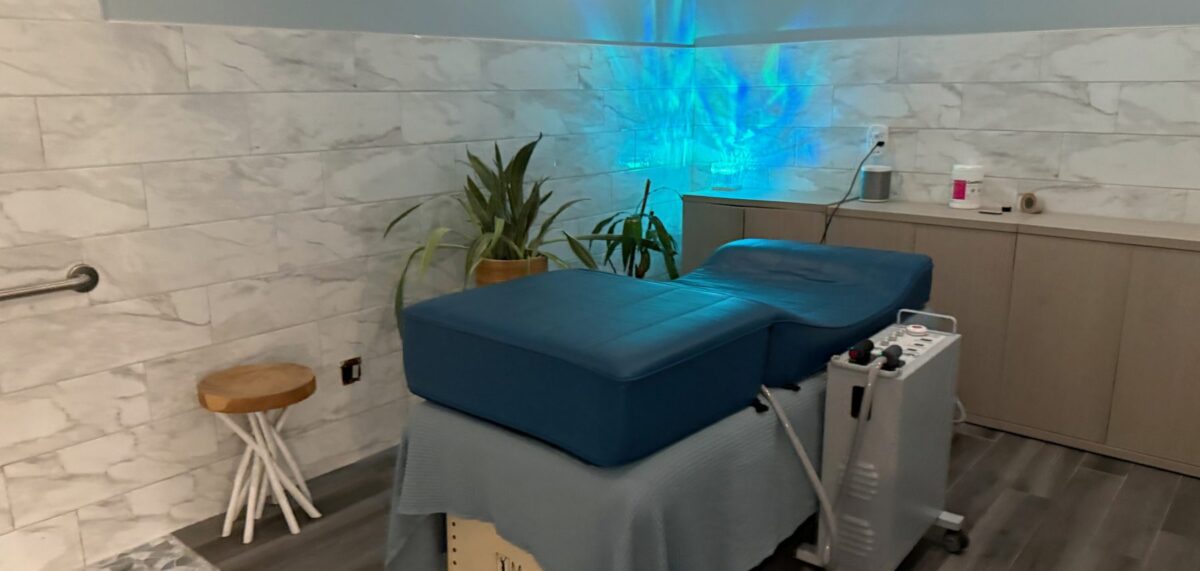
You stay fully clothed. The team confirms your health history, sets the program, and positions the mat or applicator, then you lie down for the session. There is no preparation beforehand and no downtime afterward, so most people book it around work or straight after training. Many use the time to rest or nap.
Session length and frequency depend on what you are working on. The clinical team suggests a schedule at the first visit and adjusts it based on how you respond, rather than selling a fixed package up front.
PEMF is offered at the La Jolla clinic on Fay Ave, and it pairs with red light therapy, infrared sauna, cold plunge, and hyperbaric oxygen therapy on the same recovery floor. Details are on the page for PEMF therapy in La Jolla.
A quick word on screening
PEMF is generally well tolerated, and screening still matters. Implanted electronic devices such as pacemakers, defibrillators, cochlear implants, insulin pumps, and neurostimulators are the main concern, because electromagnetic fields can interfere with them. Pregnancy, seizure disorders, active bleeding conditions, and metal implants near the treated area need a clinician’s review.
The full list, and the situations where PEMF is the wrong tool for the job, is in when PEMF therapy is not the right choice.
Frequently asked questions about what PEMF does
What does PEMF do to the body?
It delivers low-frequency electromagnetic pulses through a mat or an applicator, with the working idea that pulsed fields influence activity at the cell membrane. Most people feel a faint tapping or nothing at all.
Is PEMF FDA approved?
Specific PEMF devices are FDA-cleared prescription devices for uses such as supporting bone healing alongside fracture fixation and spinal fusion. A wellness PEMF session is not a cleared treatment for any condition.
Does PEMF help with recovery and soreness?
The research is smaller and mixed. A 2026 review in knee osteoarthritis found no clear pain benefit at one month, with some improvement in stiffness and daily activity, and patients who report feeling looser after sessions are describing experience rather than proof.
How long is a PEMF session, and how often?
Length and frequency depend on what is being worked on. The SDBody team suggests a schedule at the first visit and adjusts it based on how you respond.
Does PEMF hurt?
No. Most people feel a light tapping, and many feel nothing at all. You stay fully clothed, and there is no heat and no downtime.
Is PEMF available at SDBody’s Mission Hills clinic?
No. PEMF is offered at the La Jolla clinic on Fay Ave, and the Mission Hills clinic runs other recovery services.
Ask the SDBody La Jolla team whether PEMF fits your routine
If PEMF is on your list, the useful first step is a conversation about what you want from it and whether anything in your history rules it out. The clinical team screens first, sets a starting schedule, and tells you plainly when a mat is the wrong answer.
Call the La Jolla clinic at (858) 401-2383, or book a consult online.
Care is provided under physician supervision. Information on this page is general and is not medical advice. Individual results vary.