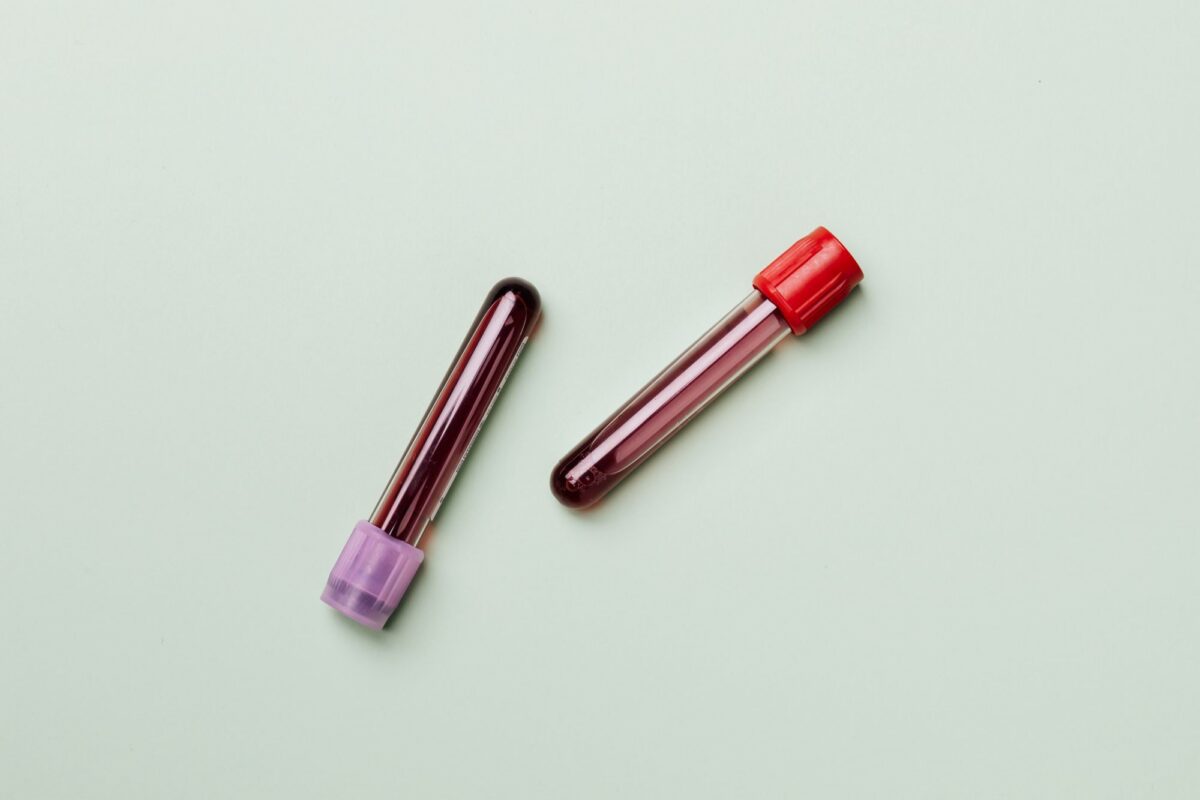


A diagnostic lab test is a test on a sample of blood, urine, or other body tissue that a clinician orders to find or rule out the cause of symptoms, or to help confirm a diagnosis. What makes it diagnostic is the reason it is ordered, because the same blood test can also be used for screening or for monitoring.
That difference matters when you are holding a lab order, or a portal full of numbers, and trying to work out what they are for. This guide covers how diagnostic testing differs from screening and monitoring, common examples, how federal rules define a laboratory test, and why the hour of the draw can change a result.
At SDBody, we offer physician-led evaluation and care at two San Diego clinics. Our Mission Hills clinic draws blood on-site and has a clinician go through the results with you afterward.
If you already know you want testing, you can request a consultation online, and our team will follow up during clinic hours.
What makes a lab test diagnostic
A lab test is diagnostic when it is ordered to answer a specific question about your health, usually why you have certain symptoms. MedlinePlus, from the U.S. National Library of Medicine, lists diagnosing or ruling out a disease or condition, especially if you have symptoms, as one of the main reasons a provider orders a lab test.
Diagnostic testing starts with symptoms
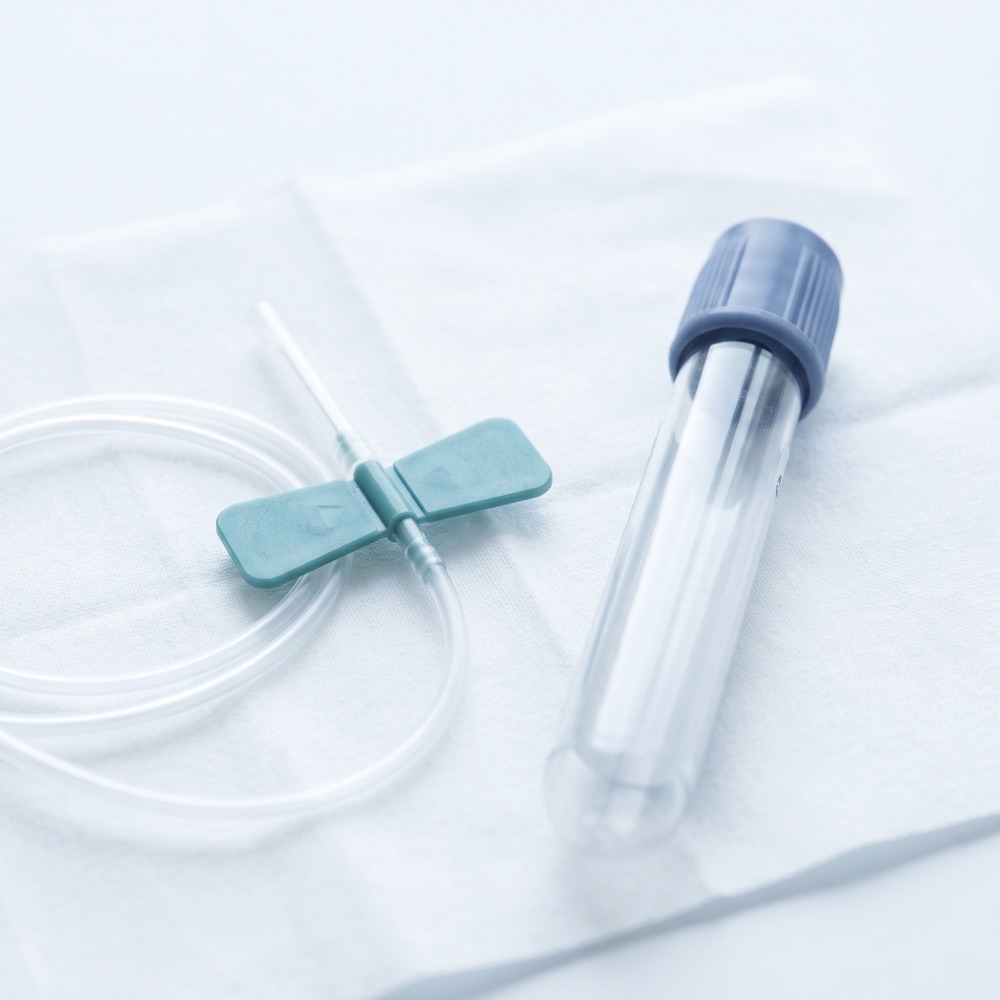
MedlinePlus gives a simple example. If you have a sore throat, swollen tonsils, and a fever, a strep A test can show whether you are infected with the bacteria that causes strep throat.
Hormone and metabolic questions follow the same logic. Fatigue that has outlasted every obvious explanation, sleep that leaves you flat, or a change in libido or mood that has stayed changed are among the reasons patients book labs at our Mission Hills clinic. The symptoms that most often lead to hormone testing are covered in our guide to the five signs of hormonal imbalance.
Sudden or severe symptoms are different. Chest pain, trouble breathing, or fainting need emergency care right away, not a scheduled lab appointment.
Screening looks for problems before symptoms appear
Screening tests are ordered when you feel fine. MedlinePlus explains that lab tests giving a more general picture of your health are often used even if you don’t have any signs or symptoms, and are usually part of a routine checkup.
A cholesterol test is a common example, and MedlinePlus notes the result can help you understand your risk for heart disease. When a screening test looks for signs of a possible problem, more testing may follow to find out for sure, and that follow-up testing is diagnostic. Our guide on who should consider biomarker testing looks at when testing without symptoms may make sense.
Monitoring follows a condition that is already known
Monitoring tests track something that has already been found. MedlinePlus says results can show whether a condition is getting better, worse, or staying the same, and whether treatment is working, with a blood glucose test for diabetes as its example.
The U.S. Food and Drug Administration describes the same range of uses, from identifying changes before any symptoms occur to diagnosing a condition, planning and evaluating treatment, and following a disease over time. We cover the wider vocabulary in a separate guide on how a lab test differs from a diagnostic test.
Common examples of diagnostic lab tests
Most diagnostic lab tests use a blood or urine sample. MedlinePlus describes laboratory tests as checks on a sample of your blood, urine, or body tissues, and each test below is one MedlinePlus says can help diagnose a condition when there is a reason to look, even though several also appear in routine checkups. Not every clinic measurement needs a sample, and our guide on how often to get a body composition scan covers one that does not.
Blood tests
A complete blood count can help diagnose blood diseases, infections, immune system disorders, and other medical conditions, according to MedlinePlus. It is also often part of a routine checkup, which shows how one test can sit in more than one category.
Blood glucose tests are used to help diagnose and monitor diabetes, prediabetes, and gestational diabetes. Not all of them require fasting, so ask whether yours does before the appointment.
Urine tests
A urinalysis is a test of your urine. MedlinePlus says it is often done to check for a urinary tract infection, kidney problems, or diabetes, and it can also monitor some medical conditions and treatments.
Thyroid and hormone tests
A TSH test is used to find out how well your thyroid is working, and MedlinePlus says you may need one if you have symptoms of too much or too little thyroid hormone. It can show whether thyroid hormone is high or low, but it can’t show what is causing a thyroid problem.
Testosterone testing has a similar limit. MedlinePlus states that a testosterone level test alone can’t diagnose any health conditions, although abnormal results with symptoms may be a sign of a health problem.
At our Mission Hills clinic, we run three panels: Hormone, Core, and Advanced. Depending on your goals and what you are experiencing, testing may cover hormone, thyroid, metabolic, and other markers, and our medical staff help you match a panel to the reason you came in.
How federal rules define a laboratory test
Under federal rules, a laboratory is defined by what it does with a sample: it examines material from the human body to provide information for diagnosing, preventing, or treating disease, or for assessing health. That definition comes from the Clinical Laboratory Improvement Amendments, known as CLIA.
The CLIA regulations at 42 CFR 493.2 describe a laboratory as a facility for the examination of “materials derived from the human body for the purpose of providing information for the diagnosis, prevention, or treatment of any disease or impairment of, or the assessment of the health of, human beings.”
The Centers for Medicare & Medicaid Services (CMS) runs the program. In its own words, CMS “regulates laboratory testing performed on humans in the U.S. for health assessment or to diagnose, prevent, or treat disease through the Clinical Laboratory Improvement Amendments (CLIA) program,” which you can read on the CMS CLIA page.
CMS says Congress passed CLIA regulations in 1988, and that the objective of CLIA is to ensure quality laboratory testing, with results that are accurate, reliable, and timely.
So in regulatory terms, diagnosis is one purpose among several. In everyday clinical use, calling a test diagnostic usually describes why it was ordered rather than a separate kind of laboratory.
The FDA adds a device angle. On its page about tests used in clinical care, it describes lab tests as medical devices intended for use on samples of blood, urine, or other tissues or substances taken from the body to help diagnose disease or other conditions.
Why timing and context change what a result means
A diagnostic result is only as useful as the conditions it was drawn under and the picture it is read against. What you eat and drink, the medicines you take, and how well you followed pre-test instructions can affect results, and the FDA says all laboratory test results must be interpreted within the context of your overall health.

Testosterone is the clearest case of timing. MedlinePlus says the blood sample is taken in the morning, between 7 and 10, when testosterone levels are typically the highest, and our Mission Hills labs page notes that testosterone is conventionally measured in the morning.
That is one reason our Mission Hills clinic at 1747 Hancock St Ste C opens at 8 a.m., Monday through Friday. You can read more about blood work at the Mission Hills clinic, including how the panels and morning draws work.
| Factor | Effect on the result | What helps |
|---|---|---|
| Time of day | Testosterone is typically highest in the morning, between 7 and 10 | Come in at the time our team gives you |
| Food and drink | Nutrients from a meal can change the levels of substances in your blood | Follow the fasting instructions given when you book |
| Medicines and supplements | Medicines you take can affect test results | Bring every medication and supplement you take |
| Illness, a rough night, or hard training | Each can move numbers | Mention it to your clinician before the draw |
Reference ranges need their own caution. MedlinePlus explains that ranges are based on test results from large groups of healthy people, that a result outside the range may or may not be a sign of a health problem, and that a result within the range does not always mean good health.
That is why a clinician reads a result next to your symptoms, your history, and the medications you already take, rather than on its own. We explain more in our post on why normal labs do not always match how you feel.
Book a morning draw at our Mission Hills clinic
If you have symptoms you want explained, a diagnostic lab test is one part of the answer, and the clinician reading it is the other. At SDBody, our visits follow the order set out in what happens at your first visit: intake, lab draw, then a consultation where a clinician goes through your results with you in context.
We are a direct-pay practice and do not bill insurance. We accept credit cards, debit cards, HSA, and FSA payments for eligible services, and pricing is discussed upfront.
To book a morning draw, call our Mission Hills clinic at (619) 772-0252.
Care is provided under physician supervision. Information on this page is general and is not medical advice. Individual results vary.
Frequently Asked Questions
What is considered a diagnostic lab test in Mission Hills?
A diagnostic lab test is a test on a blood, urine, or other sample that a clinician orders to find or rule out the cause of symptoms, or to help confirm a diagnosis. At our Mission Hills clinic, testing runs through Hormone, Core, and Advanced panels, and a clinician reads the results with your symptoms and history.
Can the same lab test be used for screening and diagnosis?
Yes. A complete blood count is often part of a routine checkup, and MedlinePlus says it can also help diagnose infections, blood diseases, and other conditions. The reason the test is ordered decides which role it plays.
Do I need a referral for lab work at the Mission Hills clinic?
No. You can book directly with our Mission Hills clinic, and our team gives you exact instructions on fasting and timing when you book.
Why are some hormone blood tests done in the morning?
Several hormone markers follow a daily rhythm and are conventionally measured in the morning. MedlinePlus says testosterone levels are typically highest between 7 and 10 in the morning, which is when the sample is usually taken.
Is lab testing at SDBody covered by insurance?
We are a direct-pay practice and do not bill insurance. We accept credit cards, debit cards, HSA, and FSA payments for eligible services, and pricing is discussed upfront.